

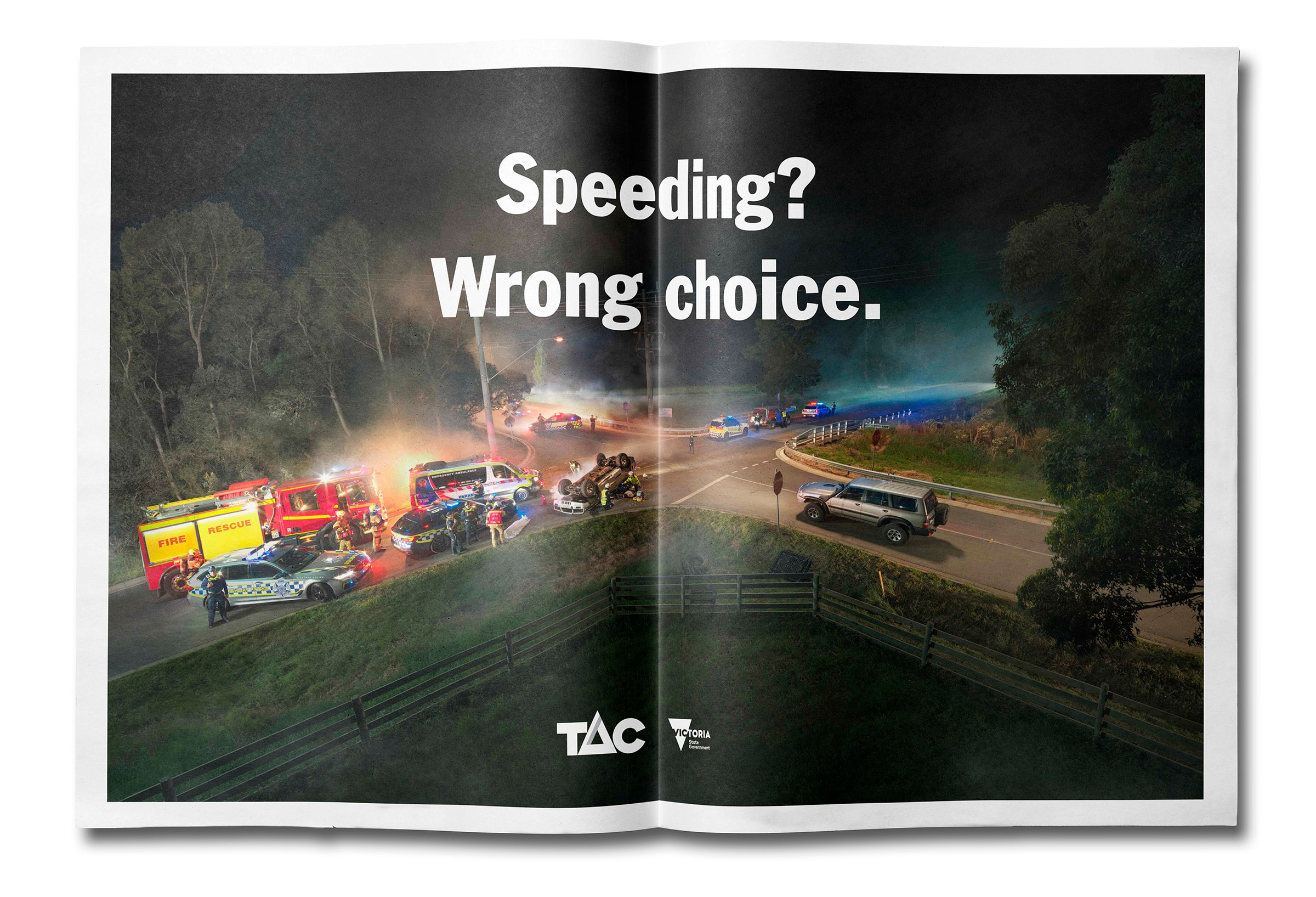
Building a massive crash scene in the middle of the night
This is a custom heading element.
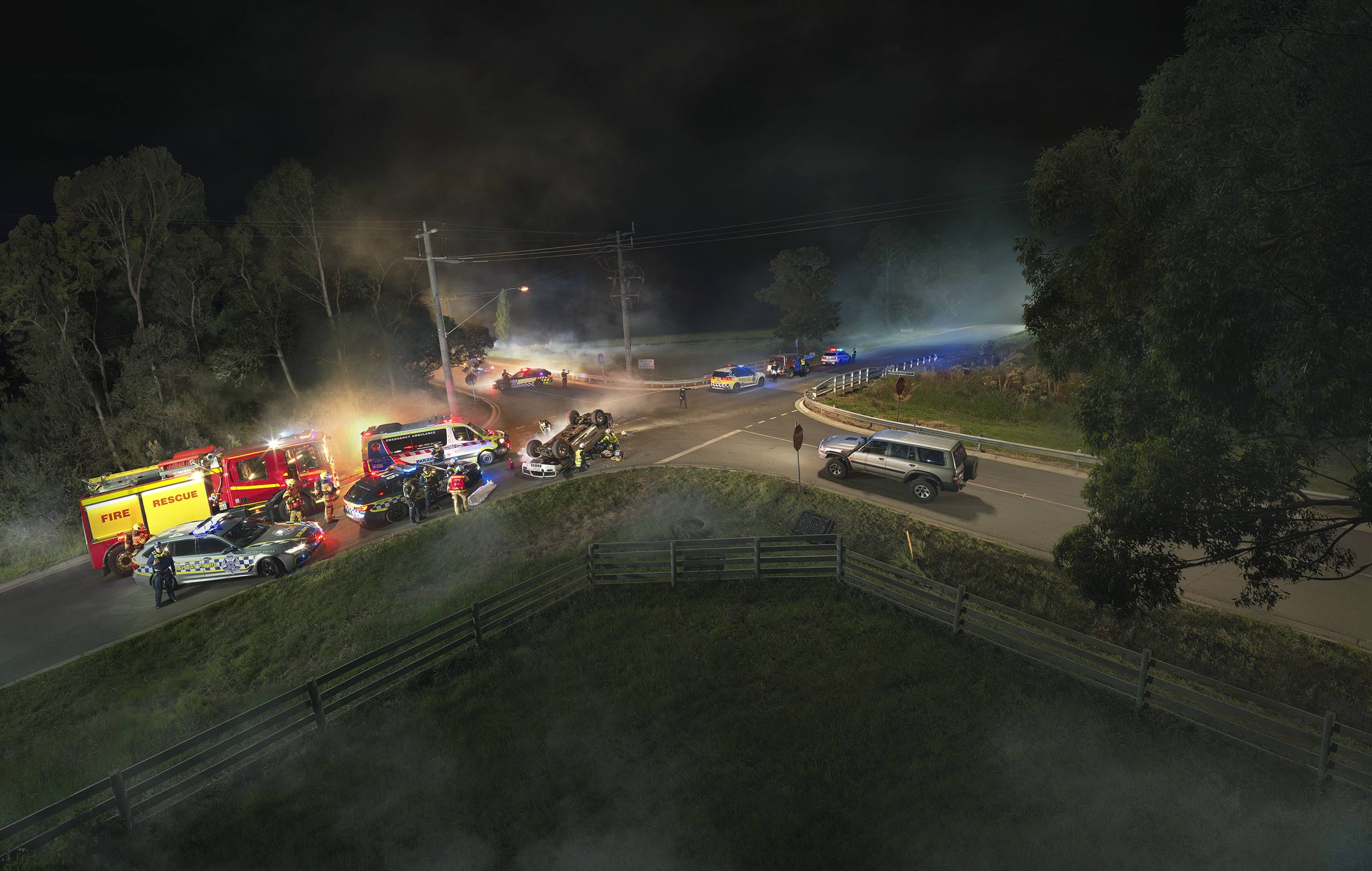
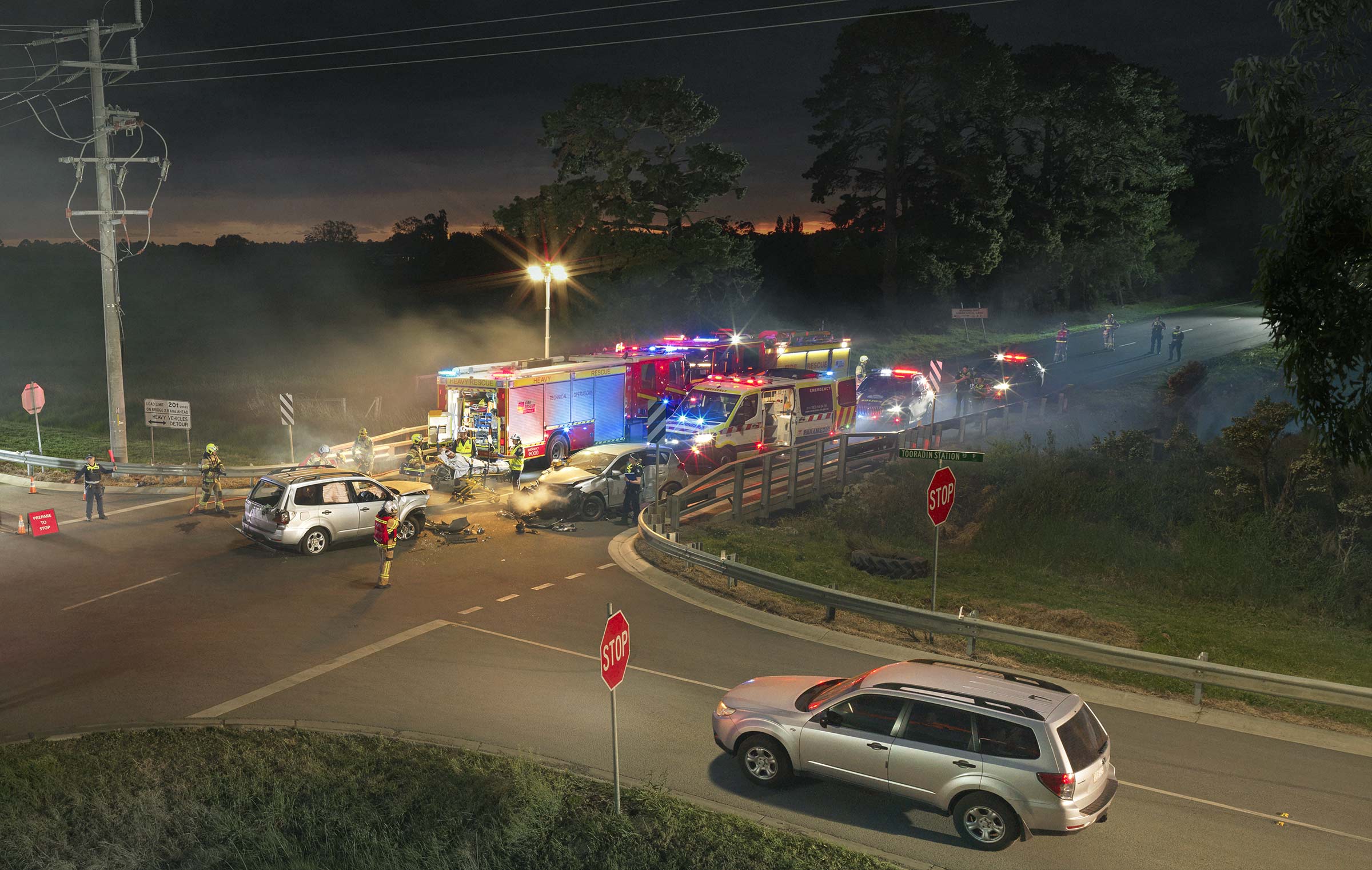
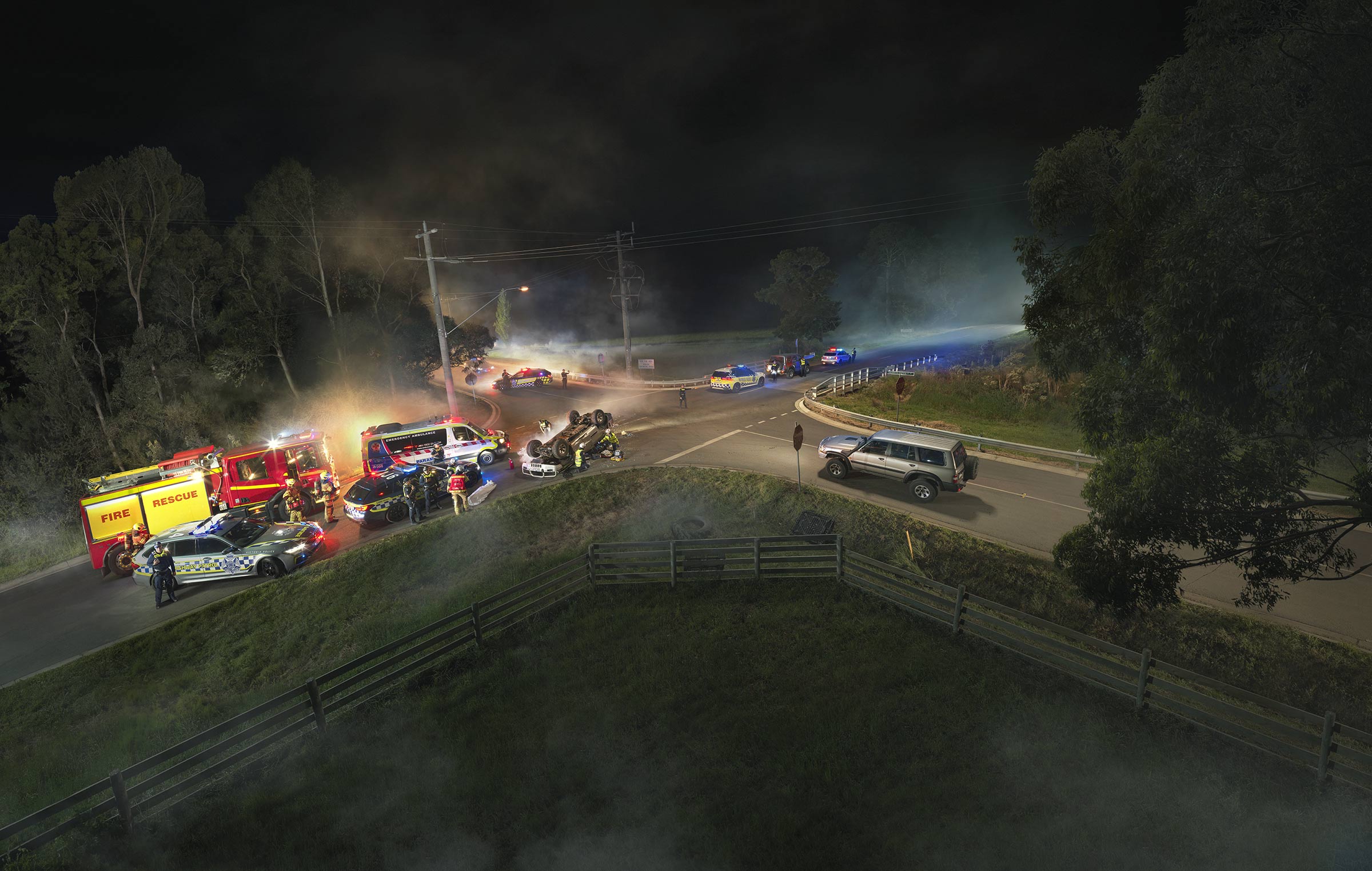
This kind of work sits with a client where credibility is everything. The message only lands if the image holds up, and with road safety, there’s no room for artifice. It has to feel true at a glance.
The idea was simple, show consequence in a way that feels immediate and undeniable. Not stylised, not exaggerated, just a moment that could have happened, captured as it unfolds. That meant doing it properly.
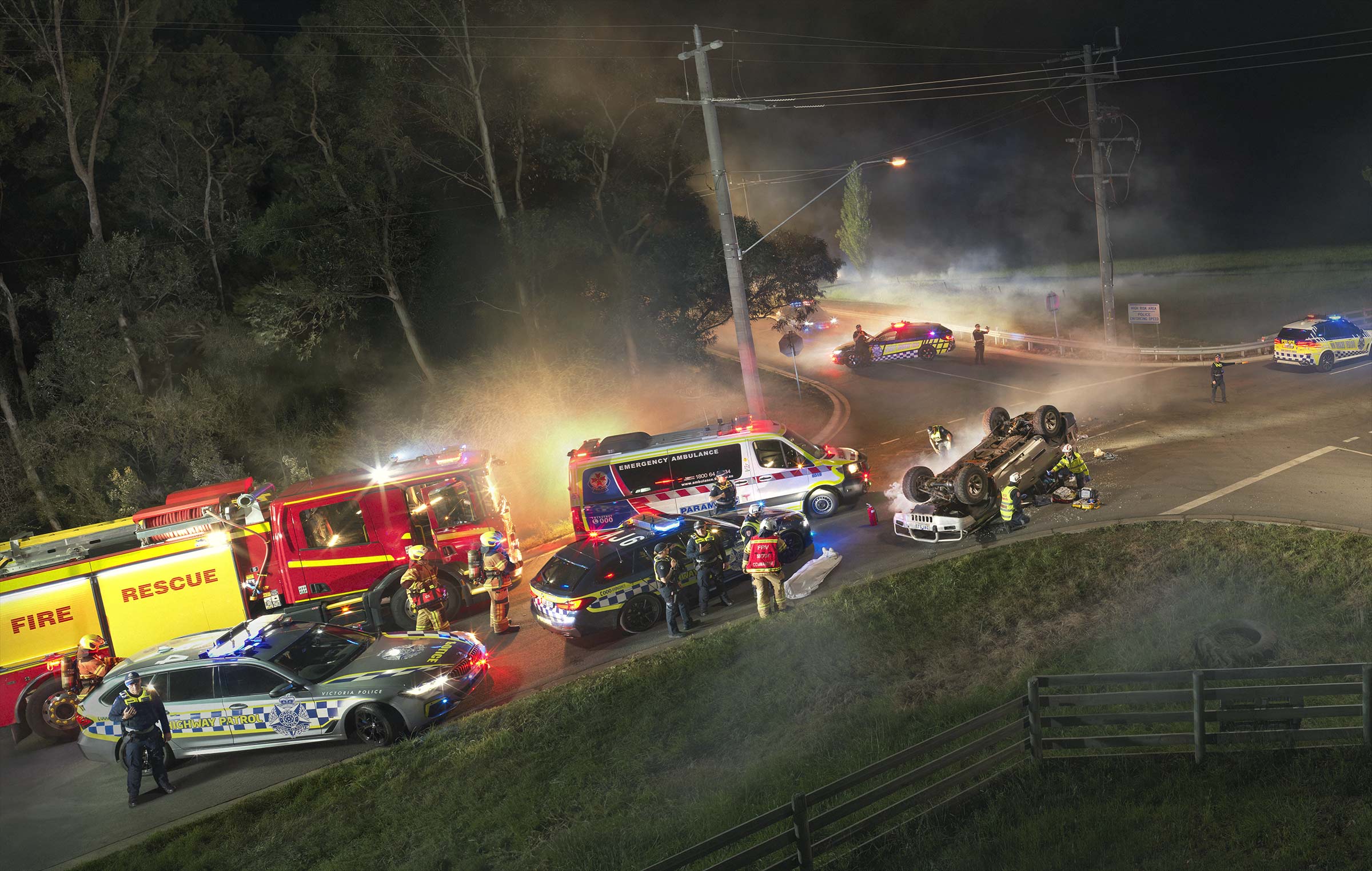
We shut down the road, worked through the night and built the entire scene in camera. Emergency services, vehicles, lighting, atmosphere, talent, all happening live. No shortcuts, no pretending.
It’s a big production, but that’s where it starts to feel right. You get the scale, the tension, the small imperfections that make it believable. The unpredictability is part of it, and that’s what gives the image weight.
You can push a lot in post, but not everything. For something like this, the foundation has to be real. If it doesn’t feel real, it doesn’t work.
This is where photography leads. Building the image from the ground up, shaping it in camera, letting the moment carry the message. That’s the part that still matters most.
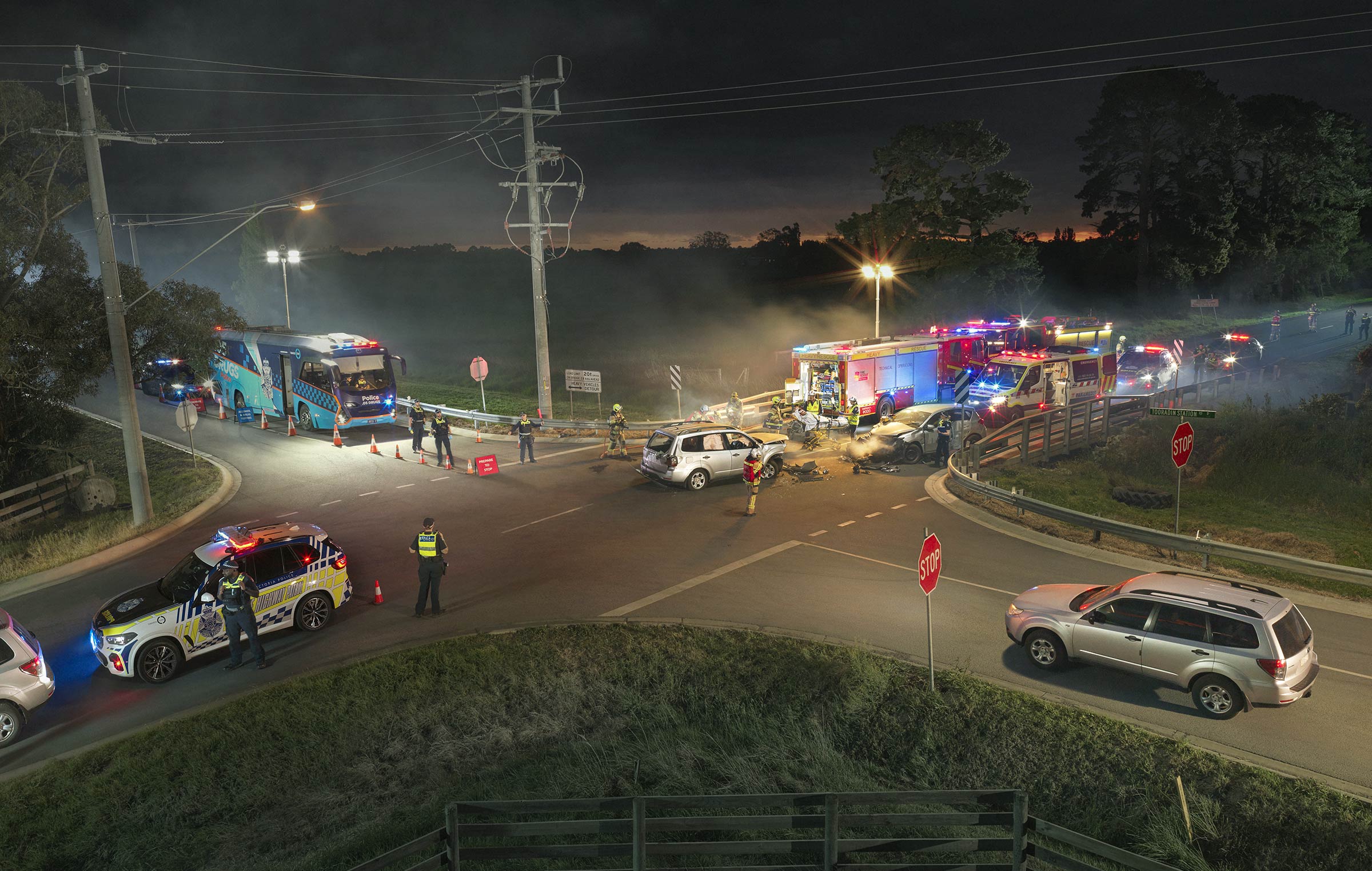
This was a massive production with a large crew, everyone pulling in the same direction to create two standalone outdoor images, packed with detail and built to hold.
Detail was critical on this one. We were shooting across multiple outdoor formats, so everything had to hold up, no shortcuts, every layer needed to carry.
For some clients and some campaigns, doing it for real isn’t a choice, it’s the point.
For some clients and some campaigns, doing it for real isn’t a choice, it’s the point.

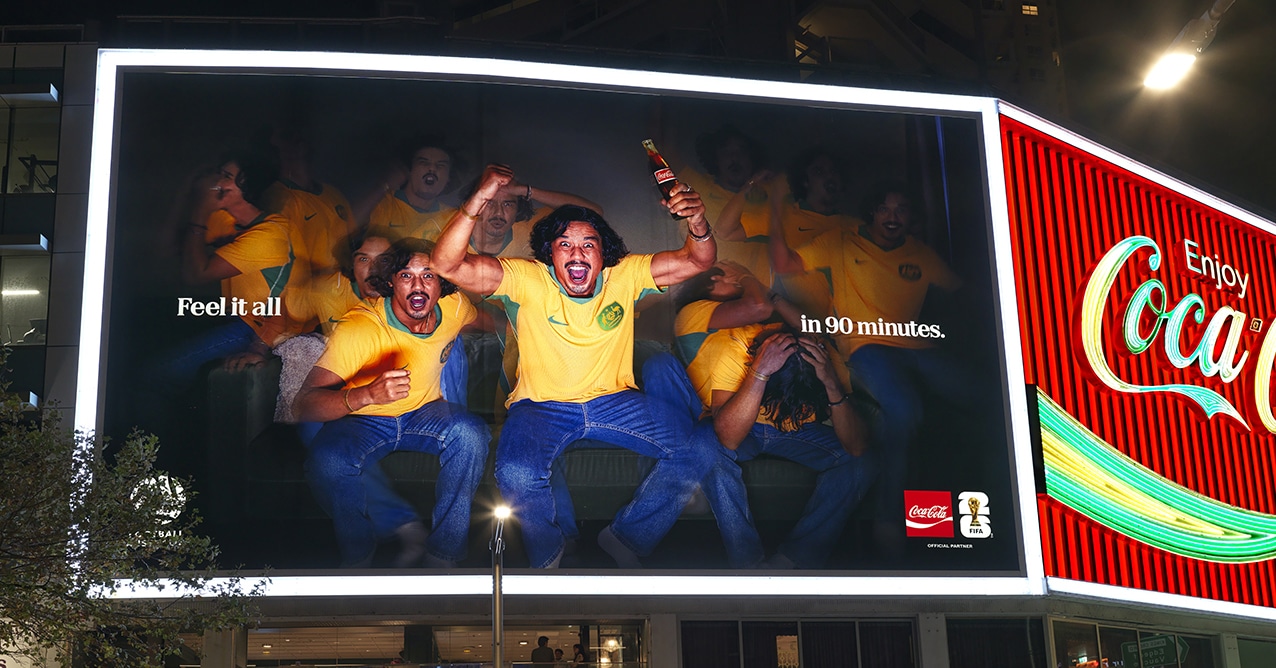
Photographed for Coca-Cola and the iconic Kings Cross billboard
This is a custom heading element.
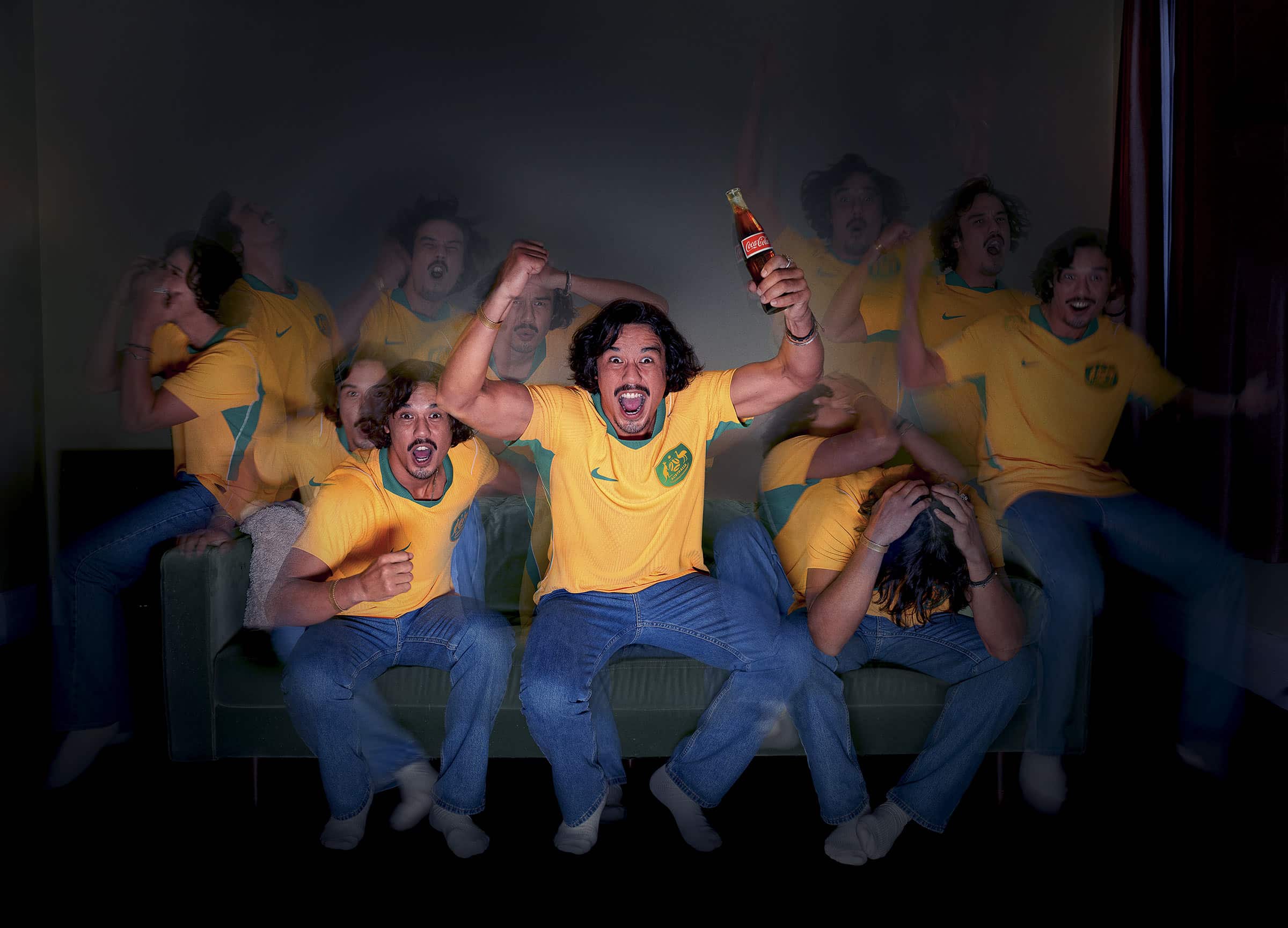
We set out to capture every possible emotion of a football fan in a single image. Using long exposures and in-camera motion blur, the entire photograph was created practically, keeping the process simple, organic and photographic.
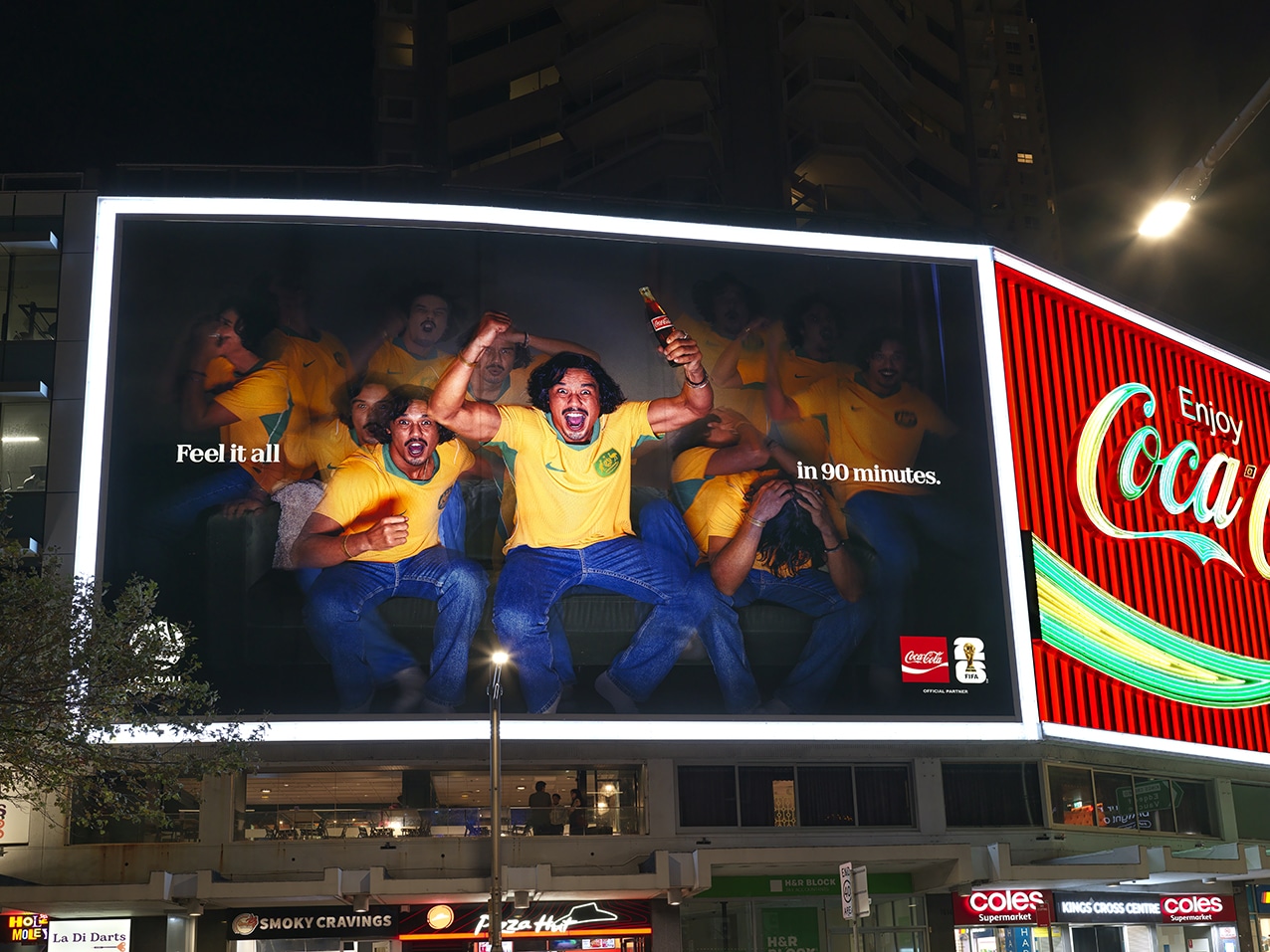
In a world of small screens, it's always satisfying to see a good idea given the space it deserves.
In a world of small screens, it's always satisfying to see a good idea given the space it deserves.
Where AI meets the real world
This is a custom heading element.
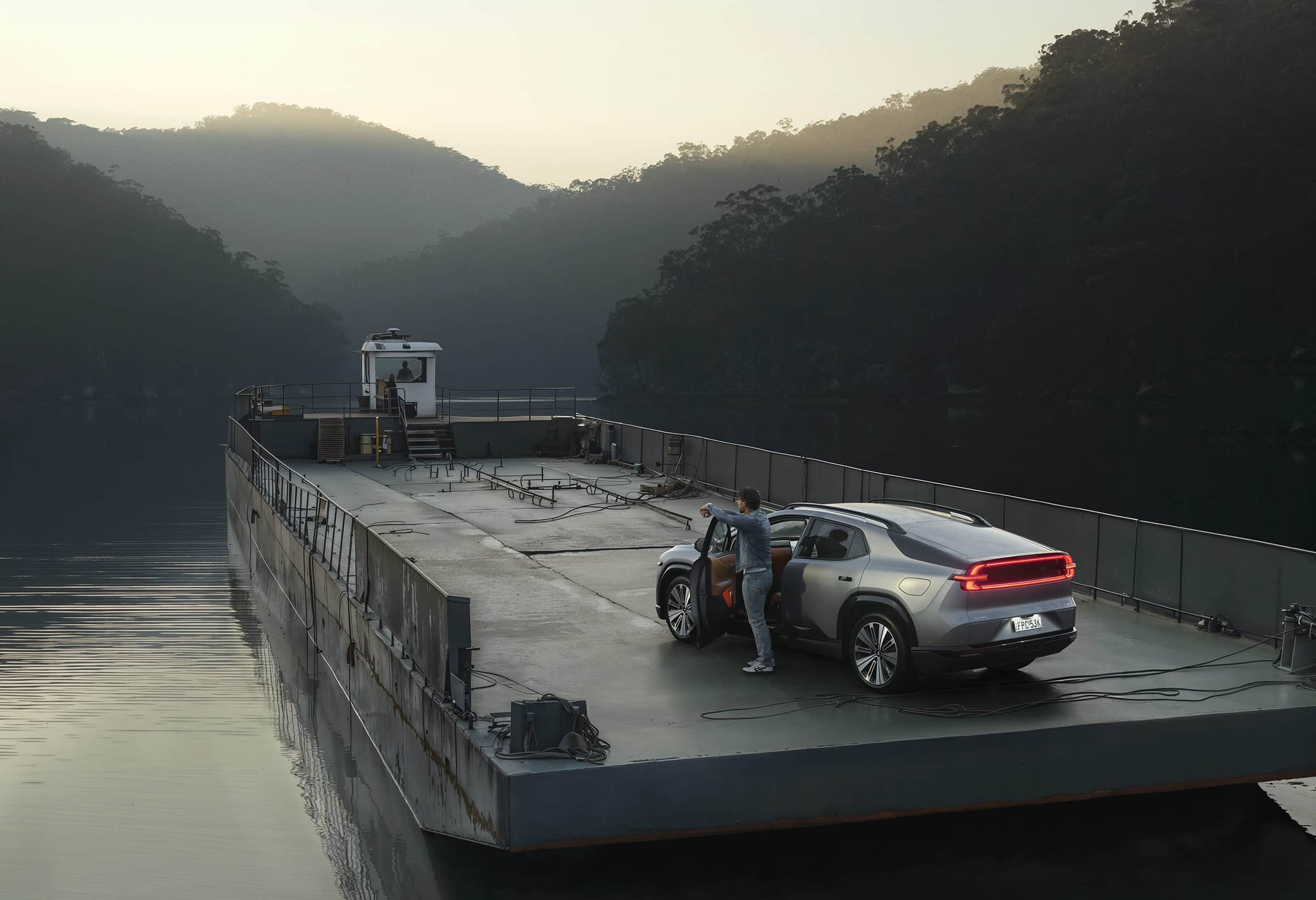
This project started with a simple question, how do we create something that’s not feasible to shoot for real within budget?
The answer was a hybrid approach.
The landscapes were photographed first. I used my own landscape plates to build AI layouts, exploring perspective and scale, while the lighting direction was always driven by the photography. Once that held, the real landscape was brought back in during post. It simply looked better, more grounded, more believable, and it holds up in high resolution.
The car and talent were always photographed for real. Properly lit, properly placed, with full control and proper usage rights. That physical anchor is important, it gives the image weight and something real to hold onto.
The advantage is clarity. You can resolve the image before you shoot it. Lock in decisions early, reduce guesswork, and walk onto set knowing exactly what needs to be done. It takes pressure off the shoot and puts the thinking where it belongs, upfront.
There’s also efficiency in it. Not because it’s free, it isn’t, but because it cuts out unnecessary complexity and keeps the production focused on what actually matters.
AI is a powerful tool, but it’s not the final image. It sits within the process. Pushed where it helps, held back where reality matters. For me, it’s another post-production tool, used with intent and control.
In the end, it’s still about building something that feels real. Advertising for grown-ups.
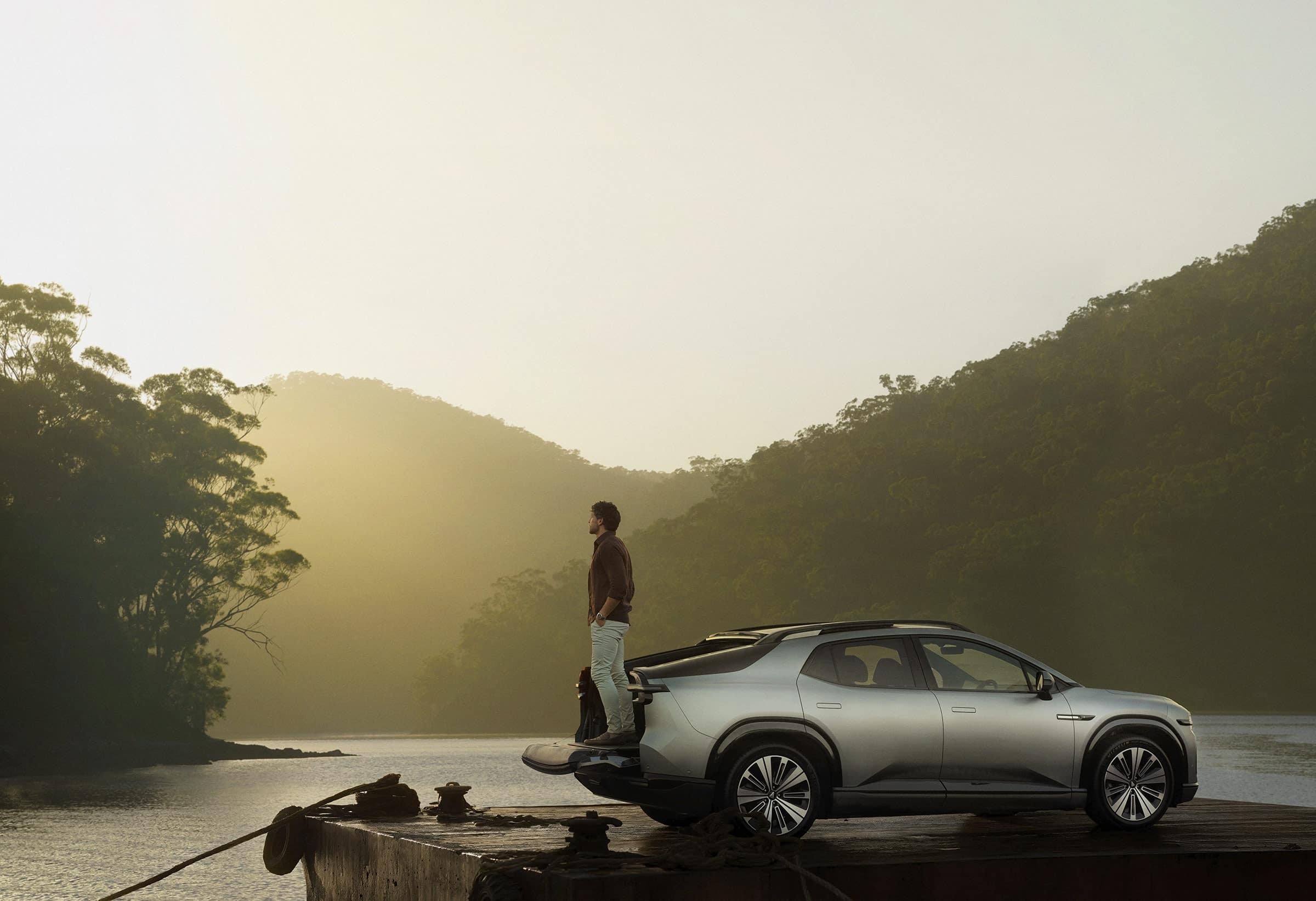
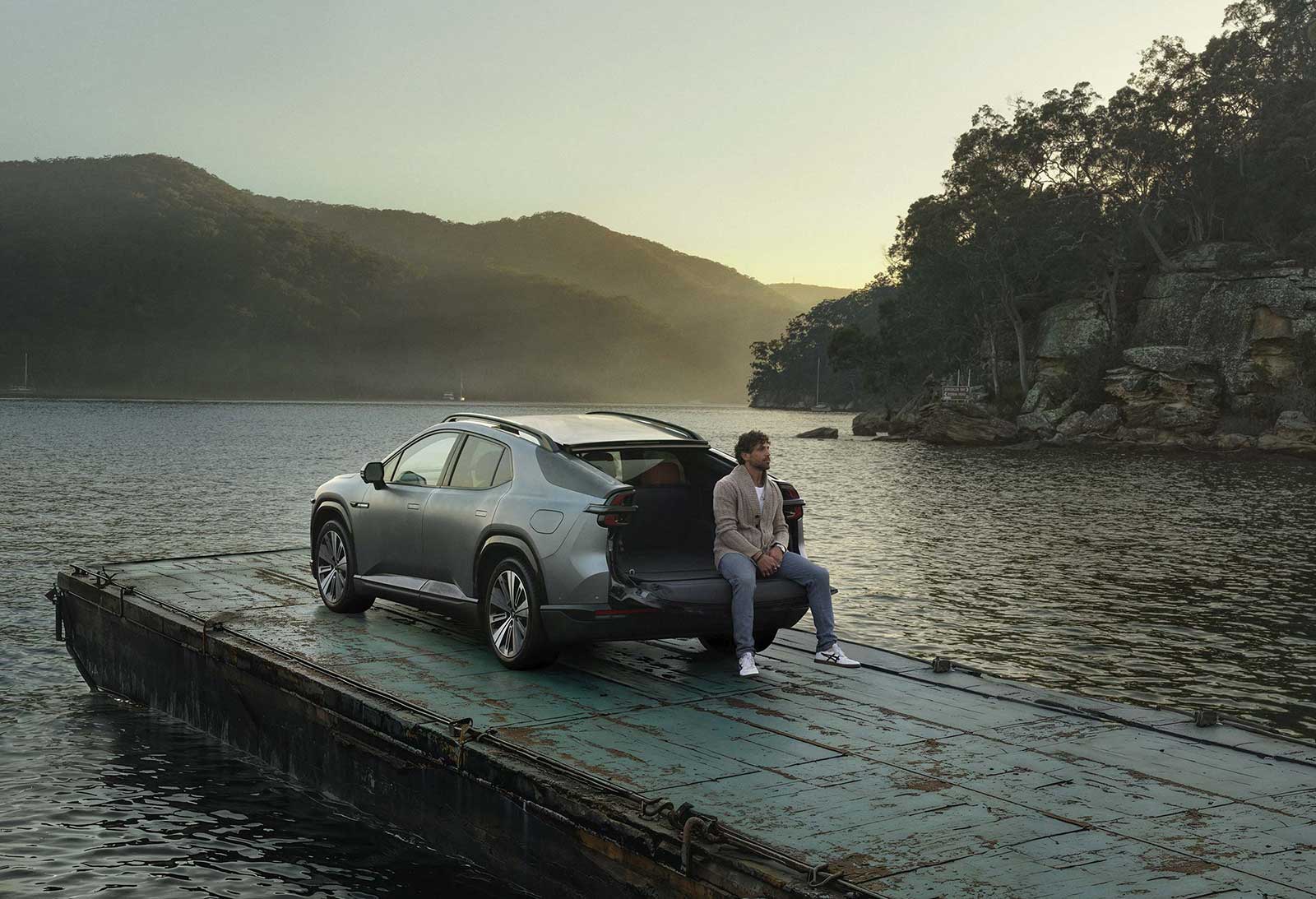
A hybrid approach, in service of something that still feels real.
A hybrid approach, in service of something that still feels real.
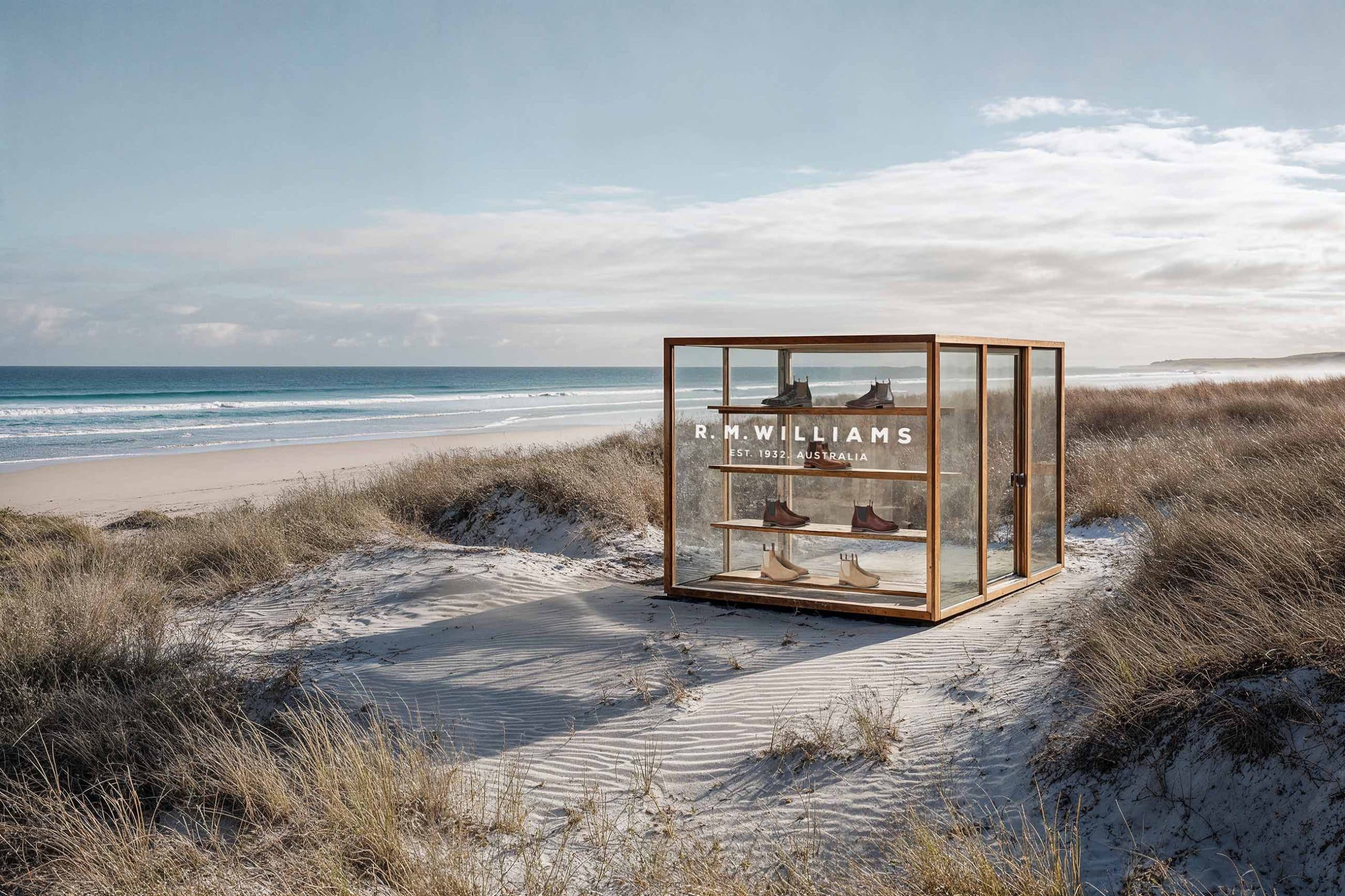
A study in combining photography, landscape, and AI
This is a custom heading element.
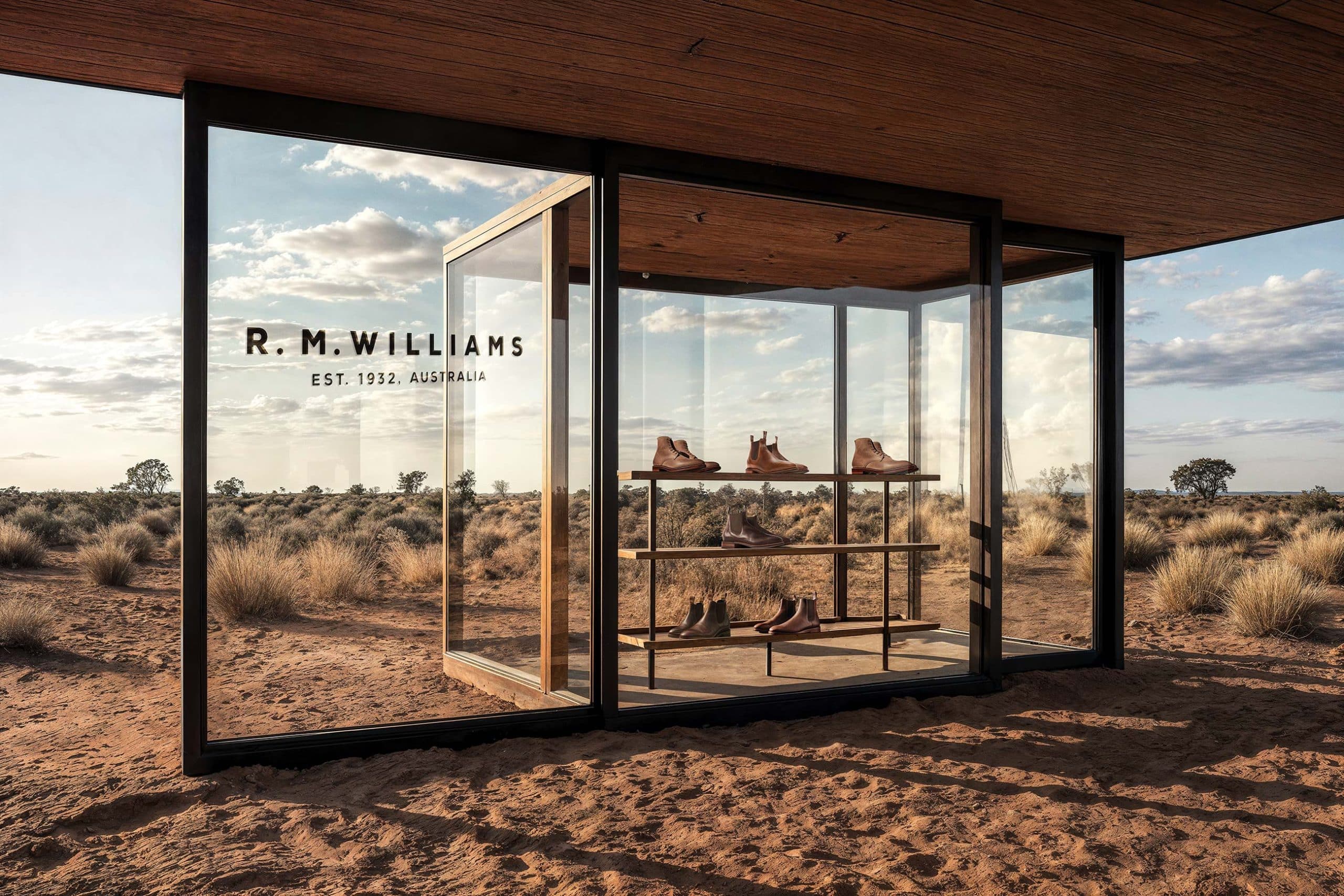
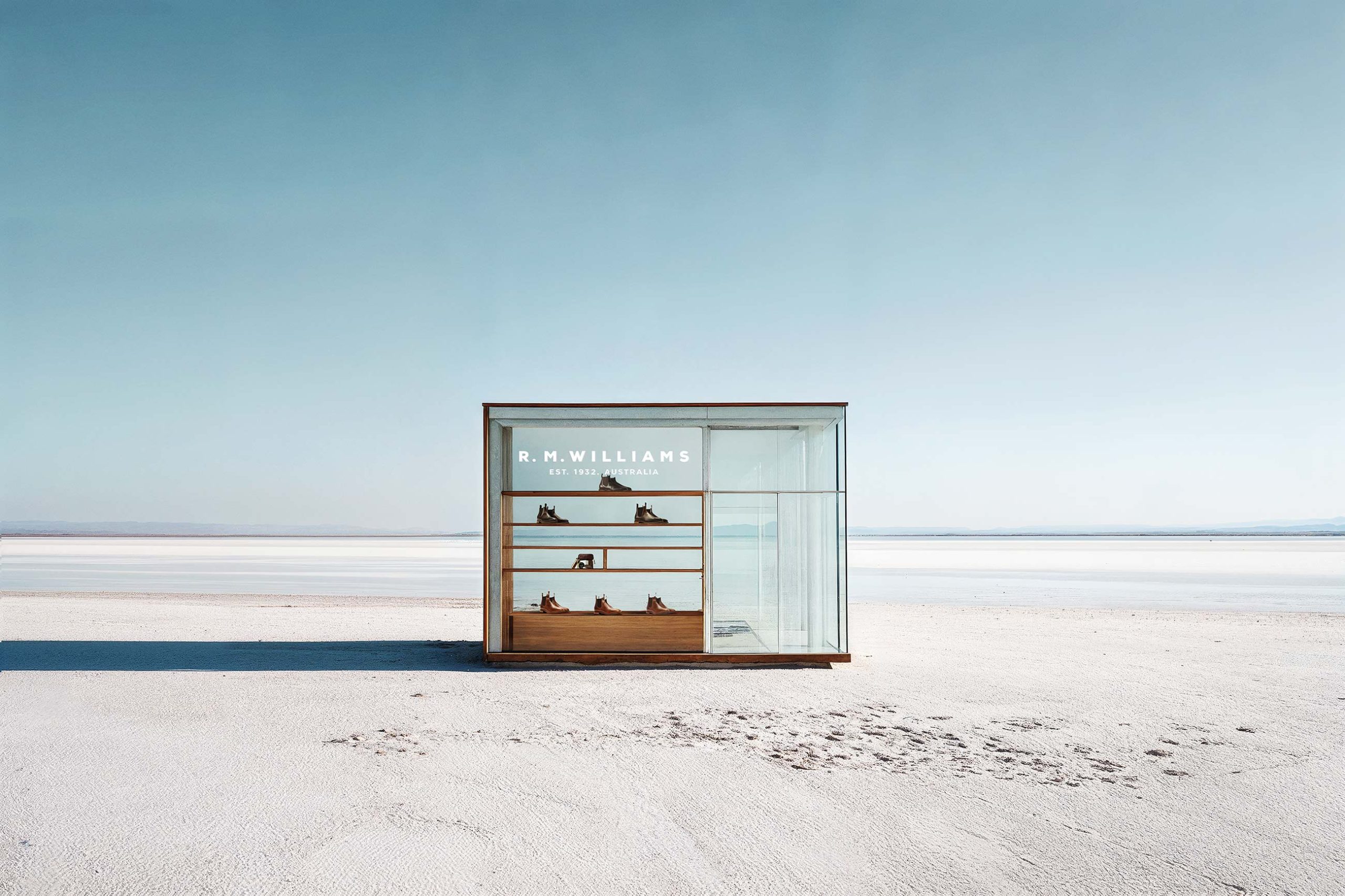
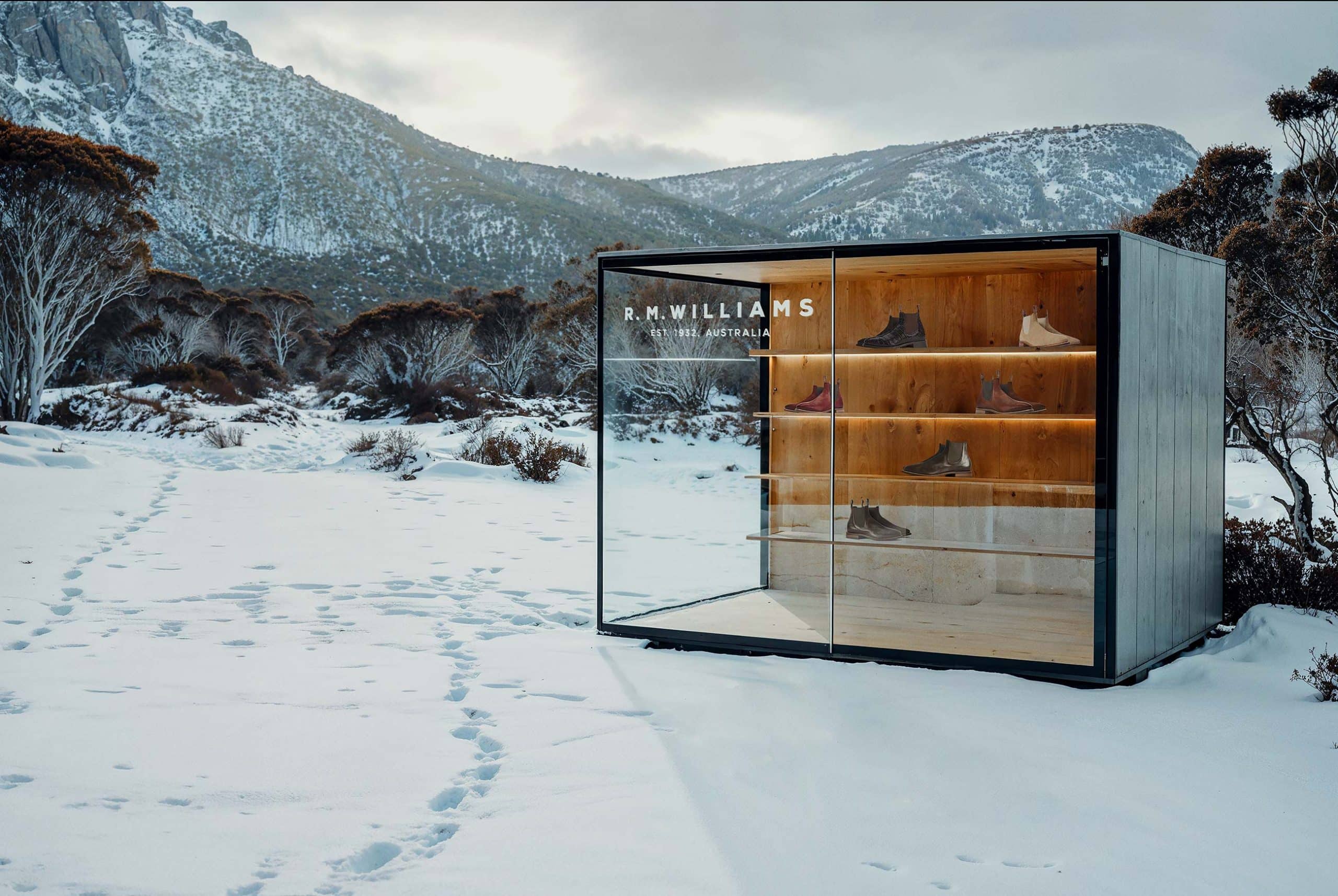
The idea was simple. Create a series of images of pop-up stores in the Australian landscape in a way that feels unexpected, but still entirely believable.
I’m not a fan of fully AI-generated imagery. It often lacks weight, presence, believability. So the environments are built from my own landscape references, shaping something familiar and then reworking it.
The structures are developed through AI, step by step, with a very controlled hand guiding form, scale, and detail.
I don’t really believe in fully AI-generated imagery. That sense of weight and presence just isn’t there. So the product is always photographed for real. Proper light, real materials, something tangible that anchors the image.
AI sits within that process as a tool. A way to explore and construct, not to replace what needs to feel true.
There are real efficiencies in using AI, no question. But the idea that it’s free or takes five minutes is simply wrong. A lot of work goes into it. For me, it sits alongside retouching and CGI, just another post-production tool, used with intent.
Clear, considered, and built to hold.
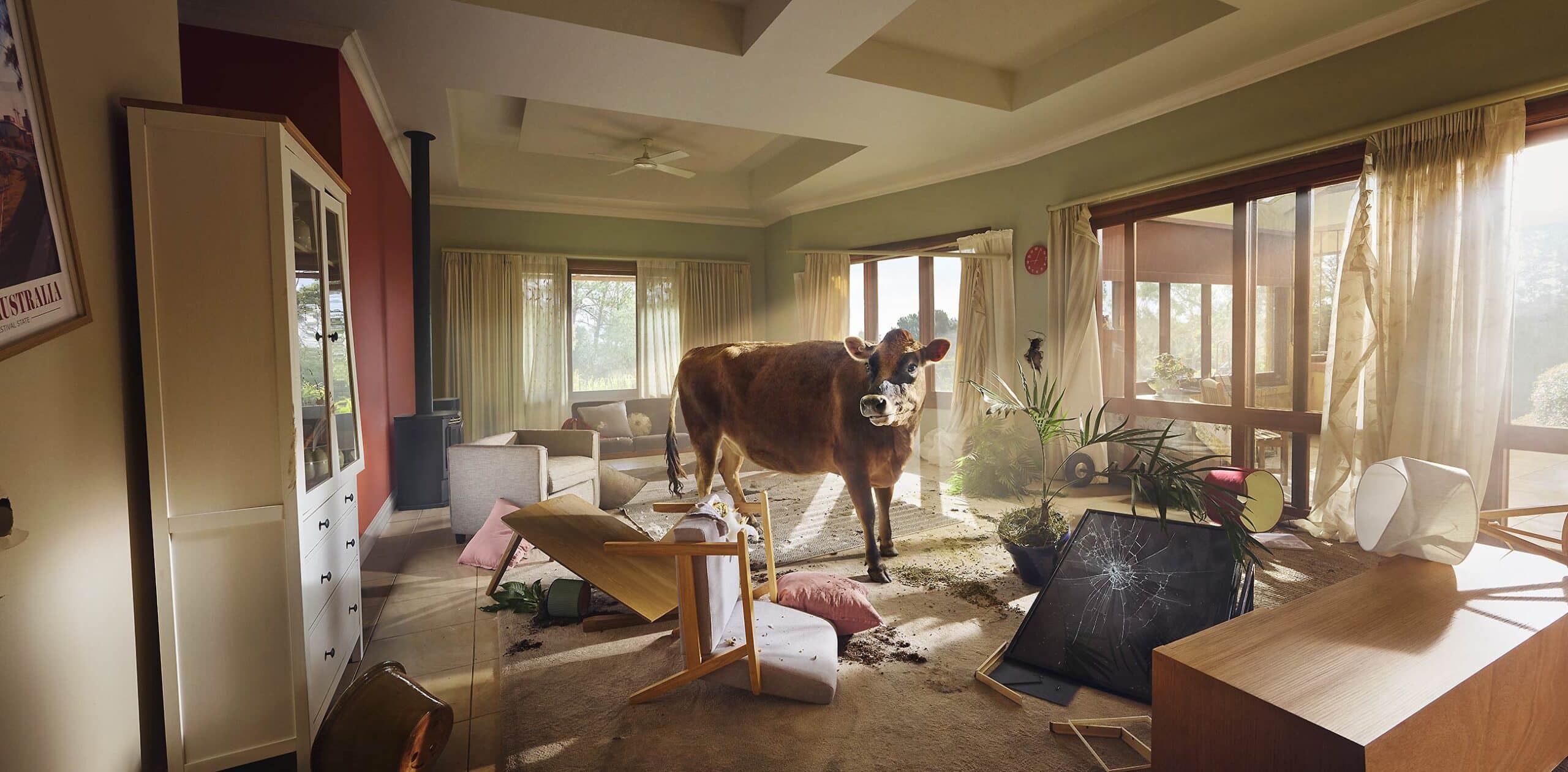
One frame does all the talking. Always great to be brought in on a strong idea
This is a custom heading element.
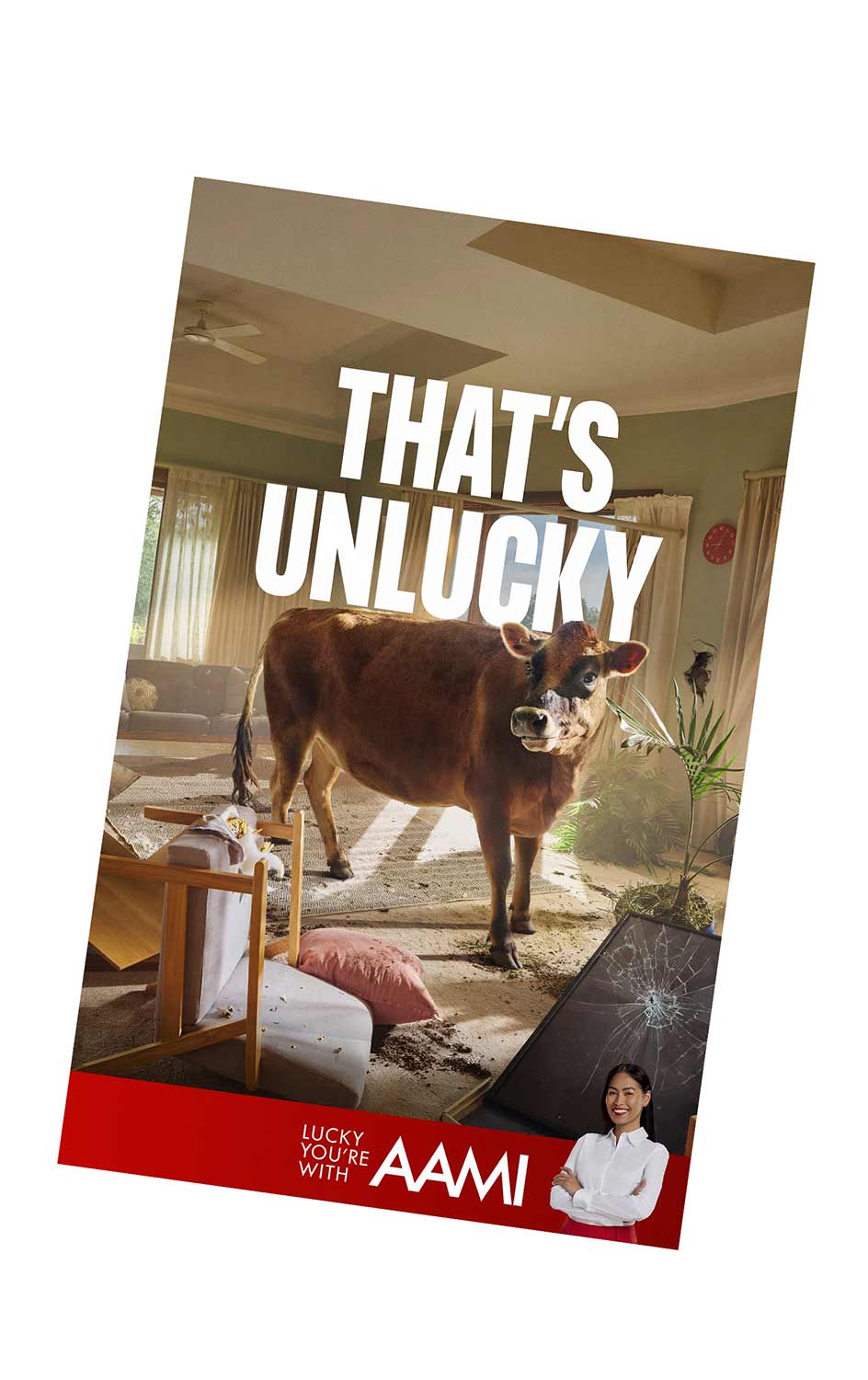
This was shot on a live TVC set, always a privilege, but it comes with real pressure. You step into a moving machine and the window for stills is incredibly tight.
Space was limited, so it meant working lean and staying nimble. Even assistants had to step out on this one. Multiple formats, separate plates, small elements, all captured without really being able to move much around.
At that point it’s about keeping it simple and getting through it. Experience helps.
I’ve always liked big images built around a strong idea, and this one had it. Simple, slightly absurd, and instantly readable. Exactly the kind of image I enjoy.
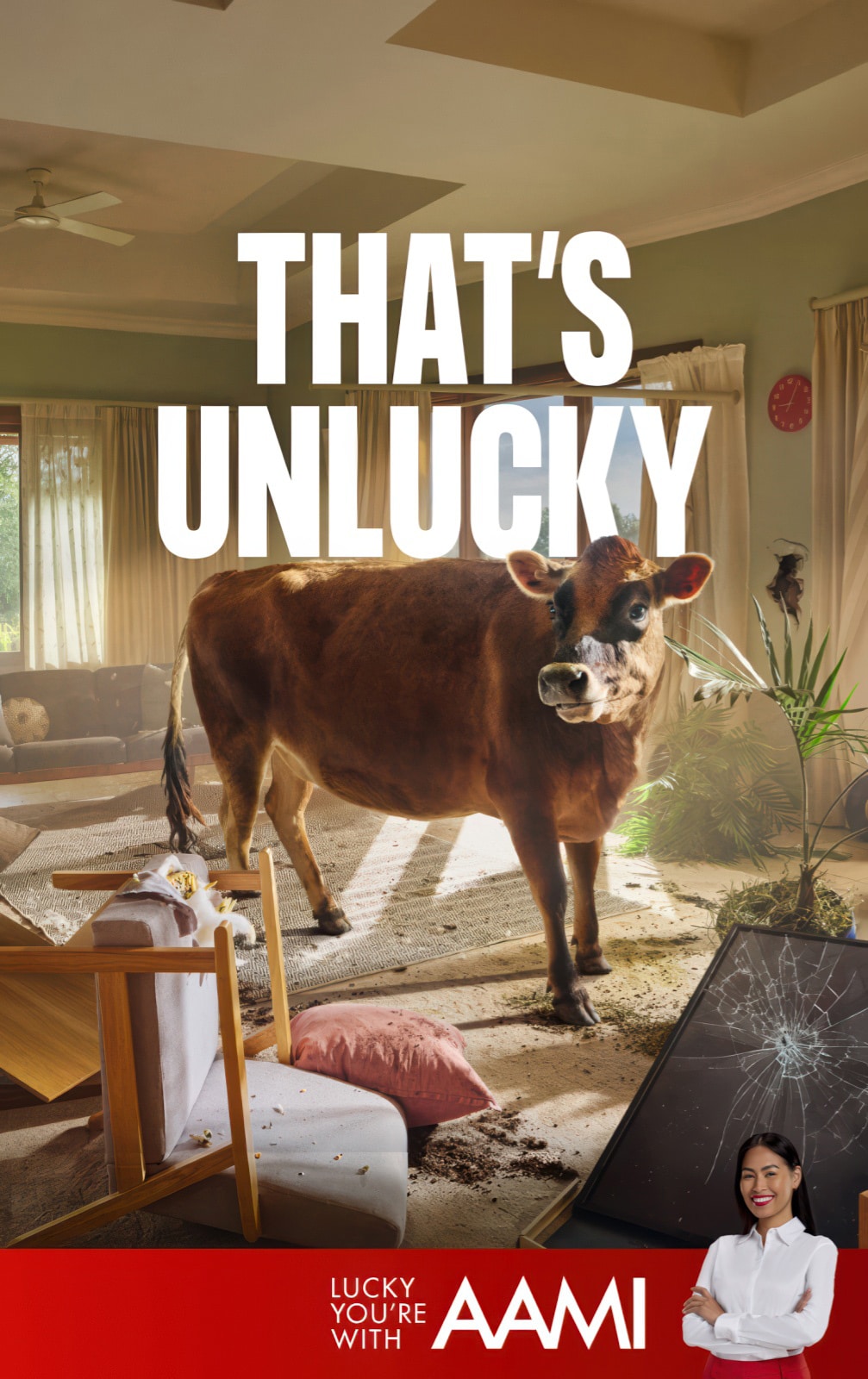
A strong idea that works in a single frame and carries an entire story. I’ve always loved working on briefs like that.
A strong idea that works in a single frame and carries an entire story. I’ve always loved working on briefs like that.

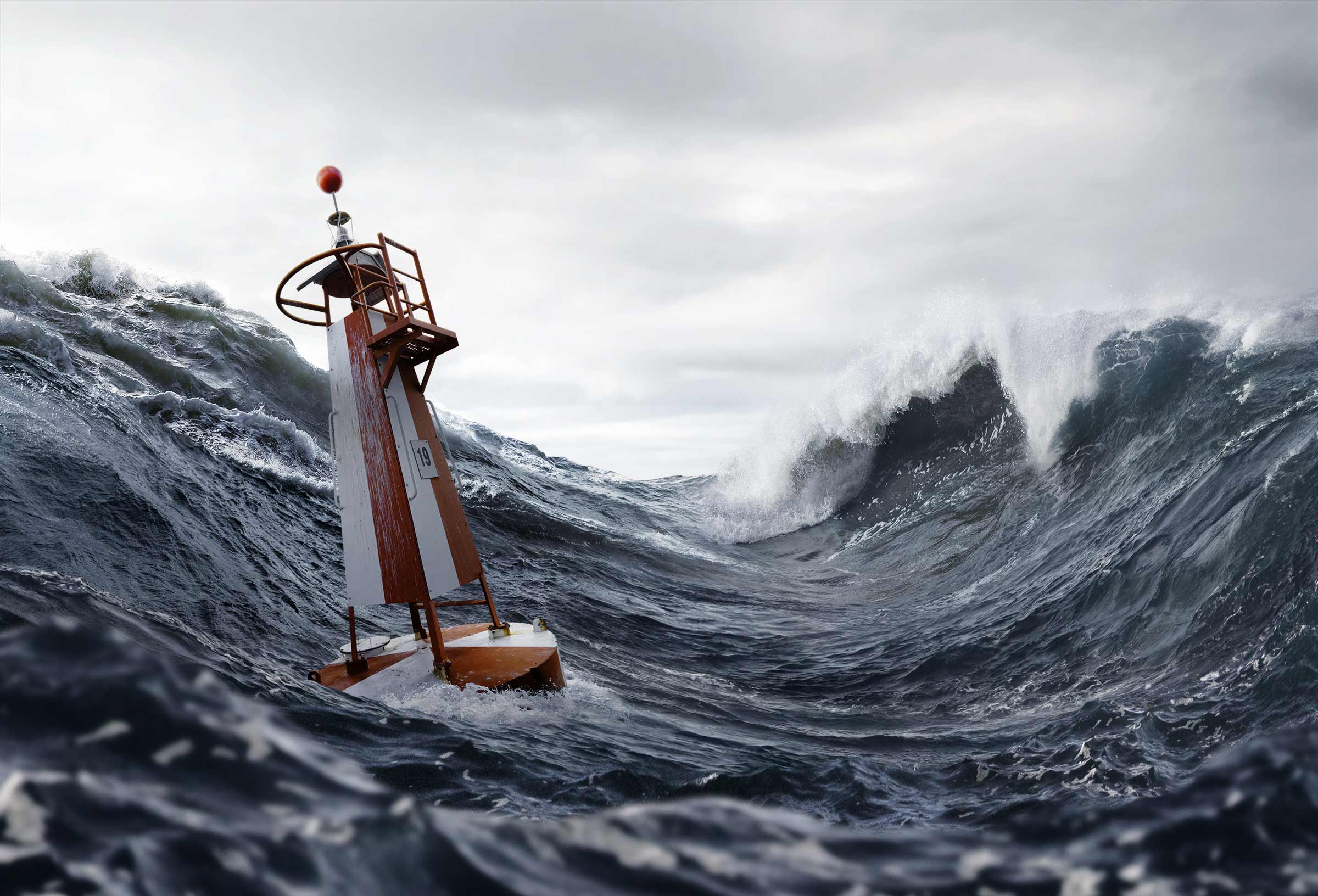
Photography can communicate incredibly fast
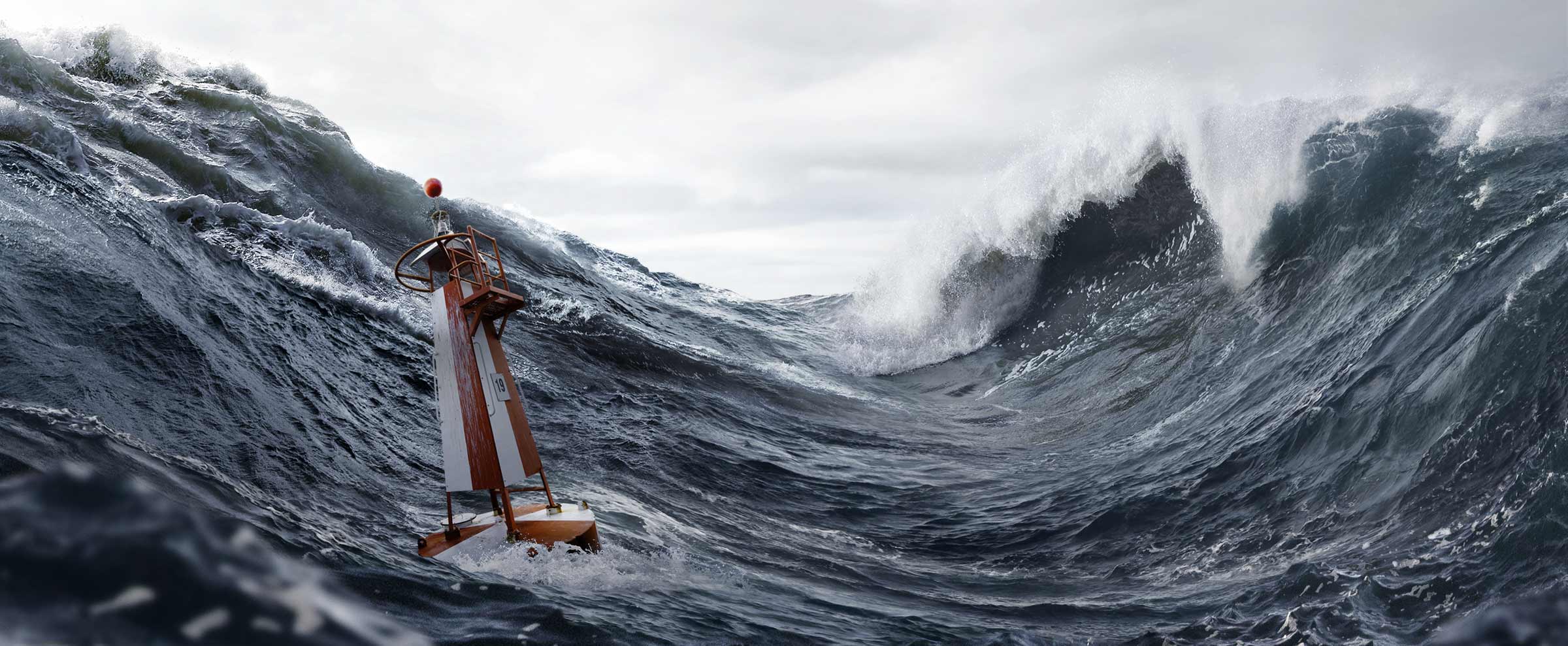
I think strong visual ideas cut through incredibly fast.
One image, one idea, immediate understanding.
I do believe strong visual ideas hold attention. A great concept, carefully executed with enough scale, craft and presence to genuinely connect with people. I don’t think the goal is perfection.
The goal is conceptual clarity. Creating imagery that feels memorable, believable and emotionally real.
Today we are surrounded by endless content and increasingly generated imagery. AI is becoming an important part of modern image-making and workflows, and it is an incredibly powerful tool. But I also think audiences are becoming far more visually aware. People recognise when imagery feels generic, over-generated or emotionally empty. They also recognise craft.
That’s why I think distinctive imagery matters more now, not less. It comes from strong concepts, production experience and understanding how to execute ambitious visual ideas in a way that still feels human and believable.
Some ideas simply carry more weight when they are physically built. Real locations, real talent, practical effects, constructed environments and carefully shaped light all contribute to imagery with texture, credibility and presence. People remember distinctive imagery.
___________________________________________
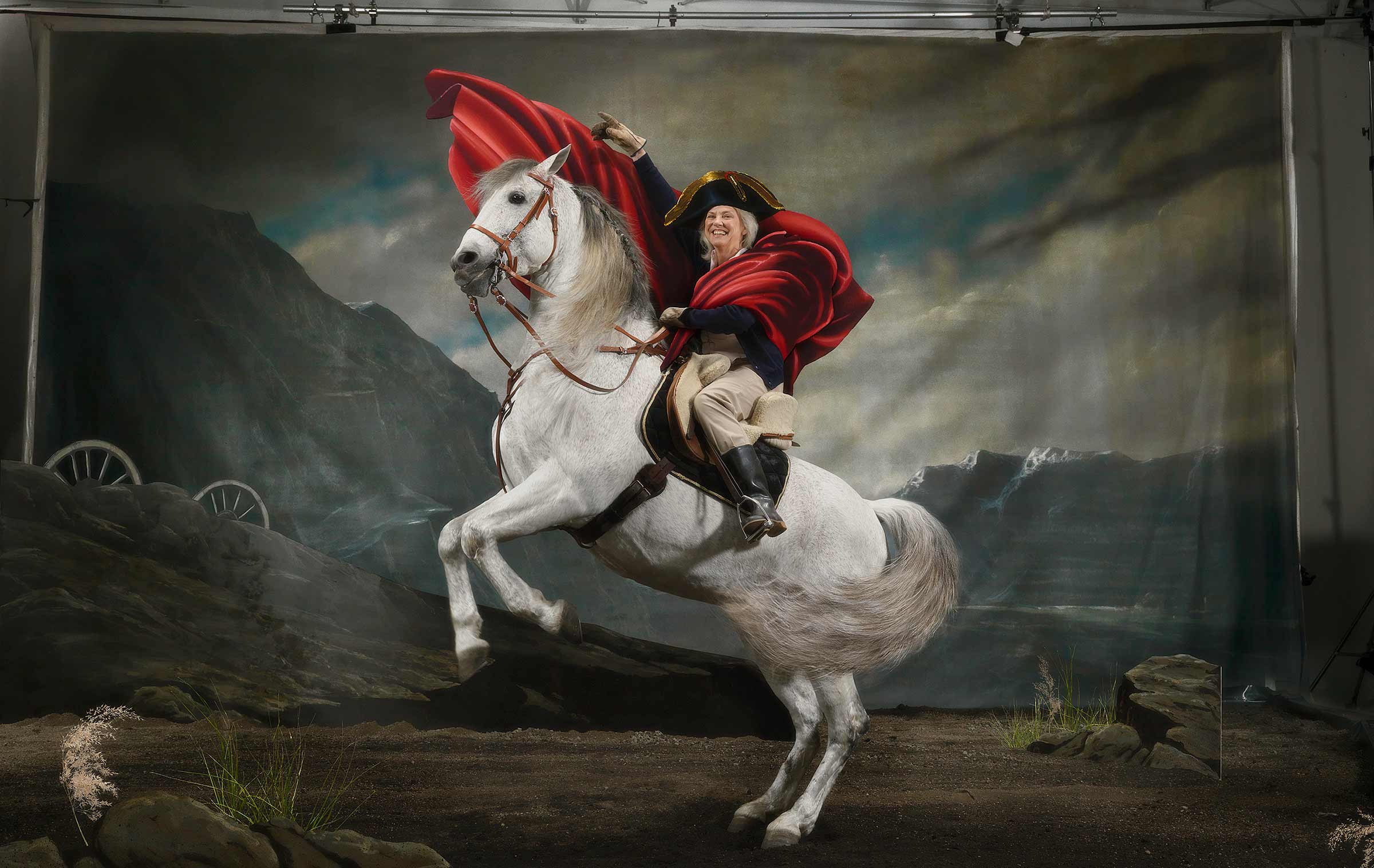
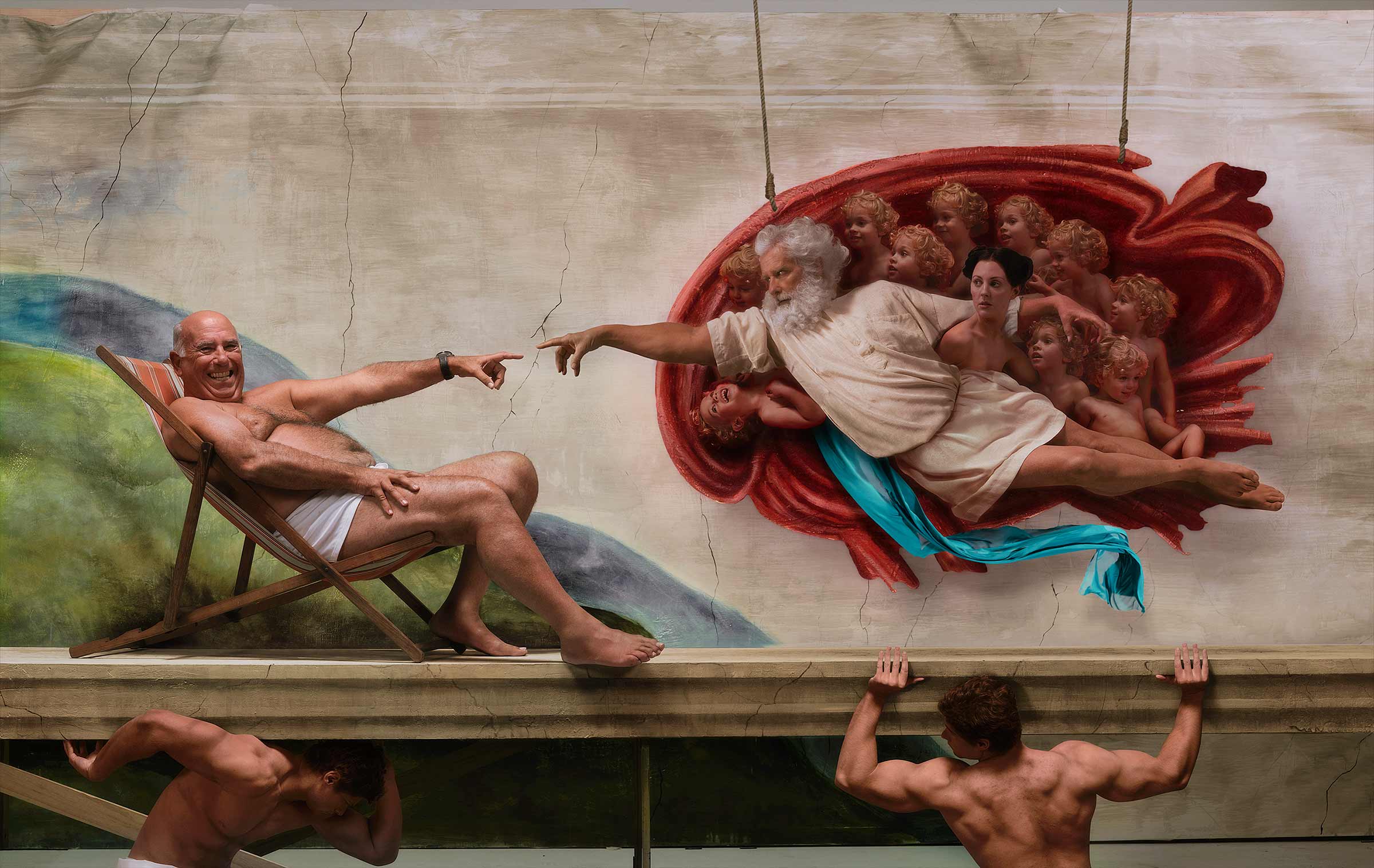
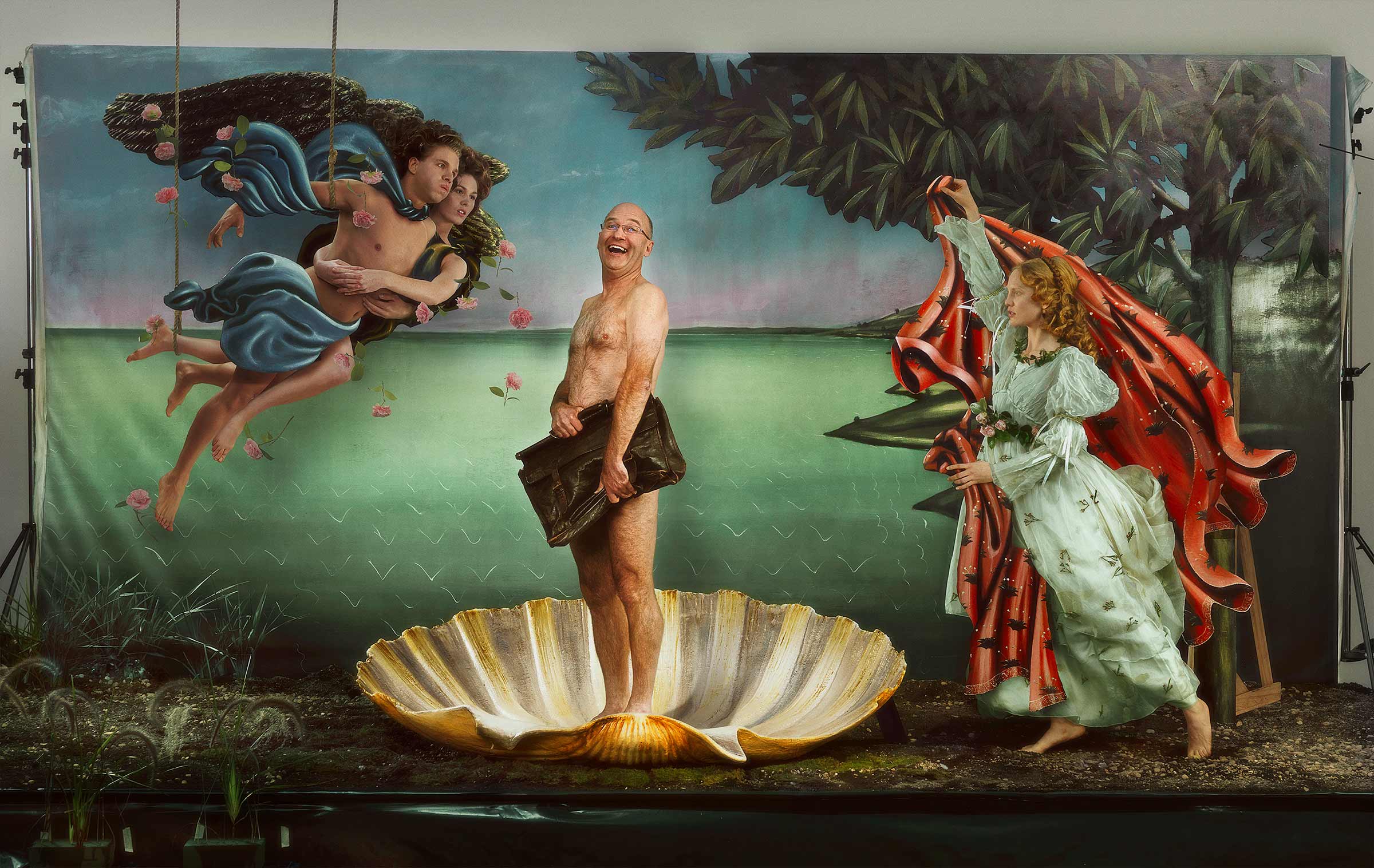
This was a campaign for a medical product connected to heart health and recovery, built loosely around the idea of rebirth and second chances.
The original brief was actually to use the famous artworks directly and retouch a real person into them. Early on we discussed that this would probably feel a little too respectful, and potentially backfire creatively. So instead we decided to build completely new versions inspired by the original paintings, but centred around real people and a slightly stranger sense of humour.
Everything was photographed practically. Massive painted canvas backdrops, around 12 by 8 metres, were hand-painted for us by an artist who had previously worked on Titanic with James Cameron. The entire project was essentially one large constructed set.
I still love the ambition and absurdity of these images. They feel handcrafted, theatrical and very physical, which was exactly the point.
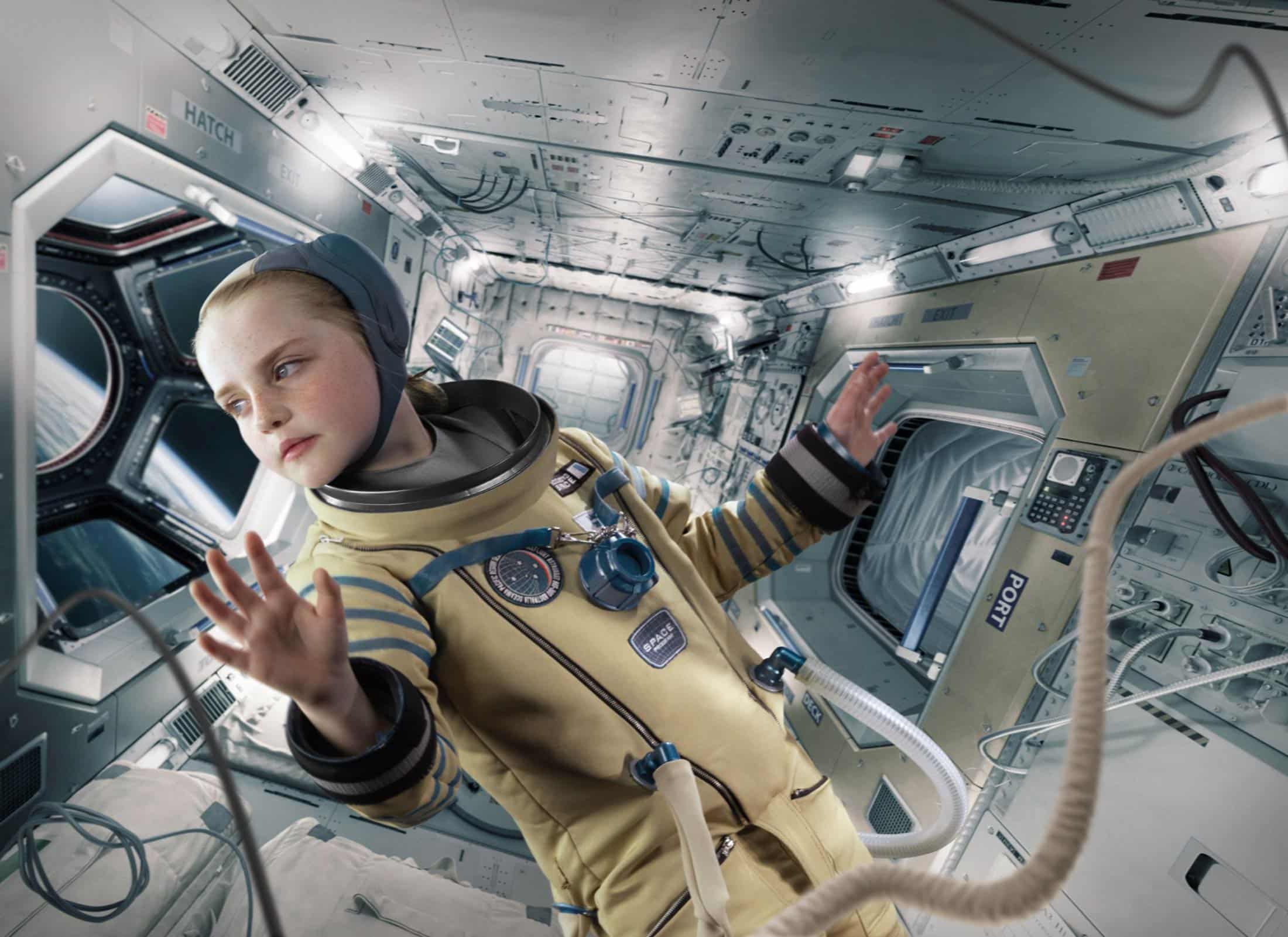
This image was created for CommBank around the simple idea hidden inside their own logo, CAN. The campaign featured children imagining themselves in inspiring future roles, astronauts, pilots, doctors, firefighters and more. I always loved the optimism and scale of this image. A big conceptual idea, built physically and photographed for real.
Created for TAC Victoria around the idea that every decision on the road carries consequences. One moment, one choice, and everything changes.
The entire scene was built practically and photographed in camera during a large-scale overnight shoot involving emergency services, police, fire crews and a substantial production team.
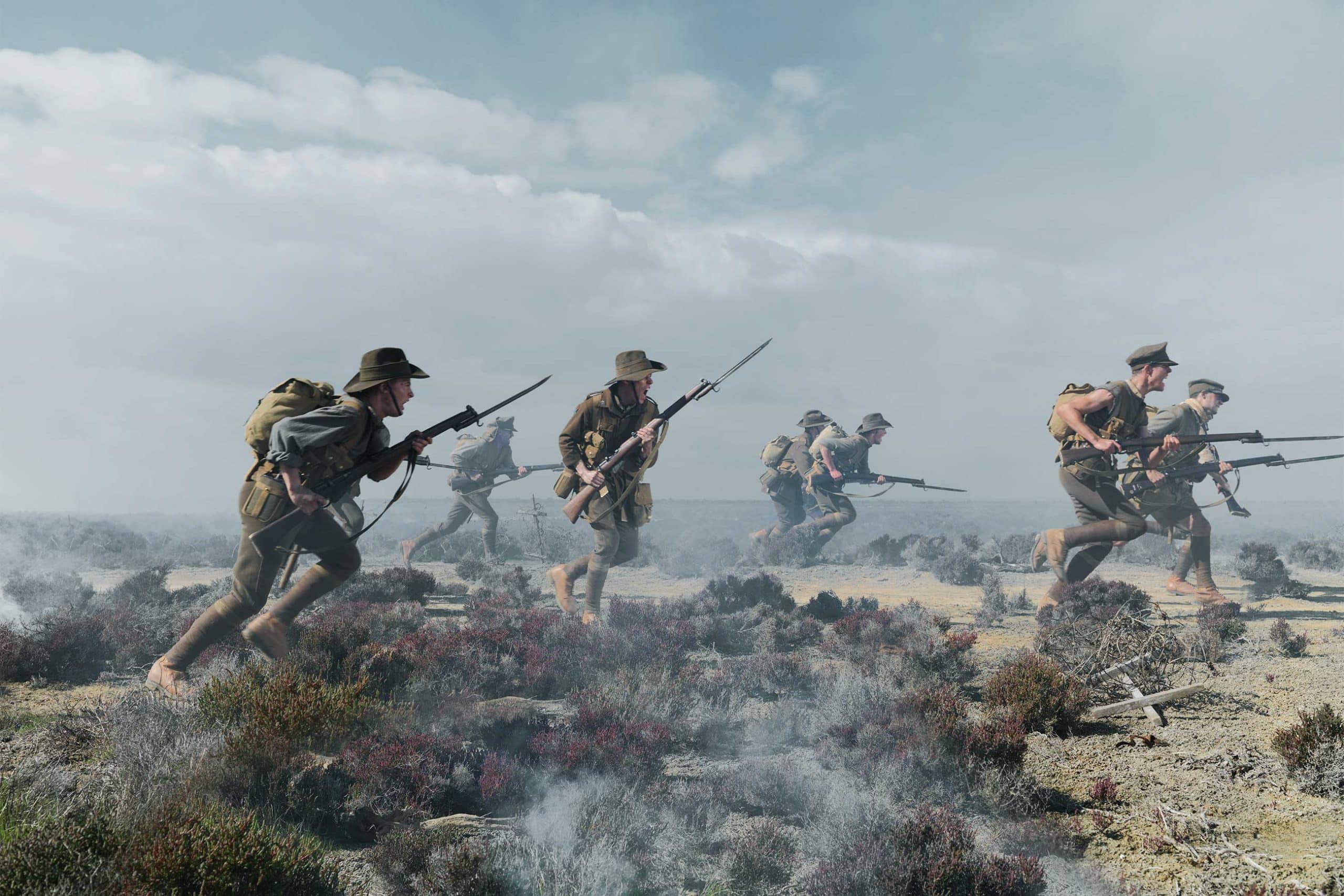
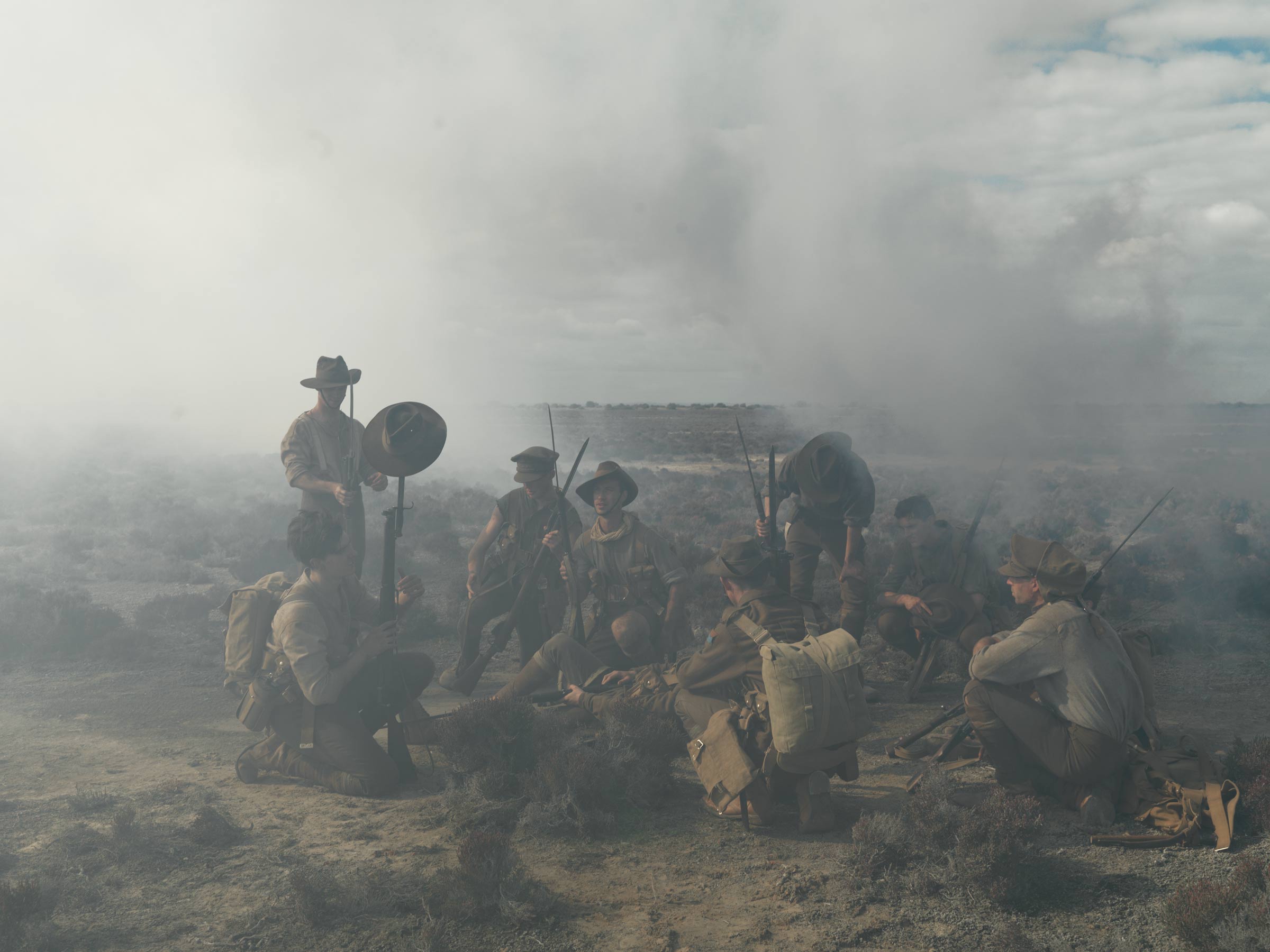
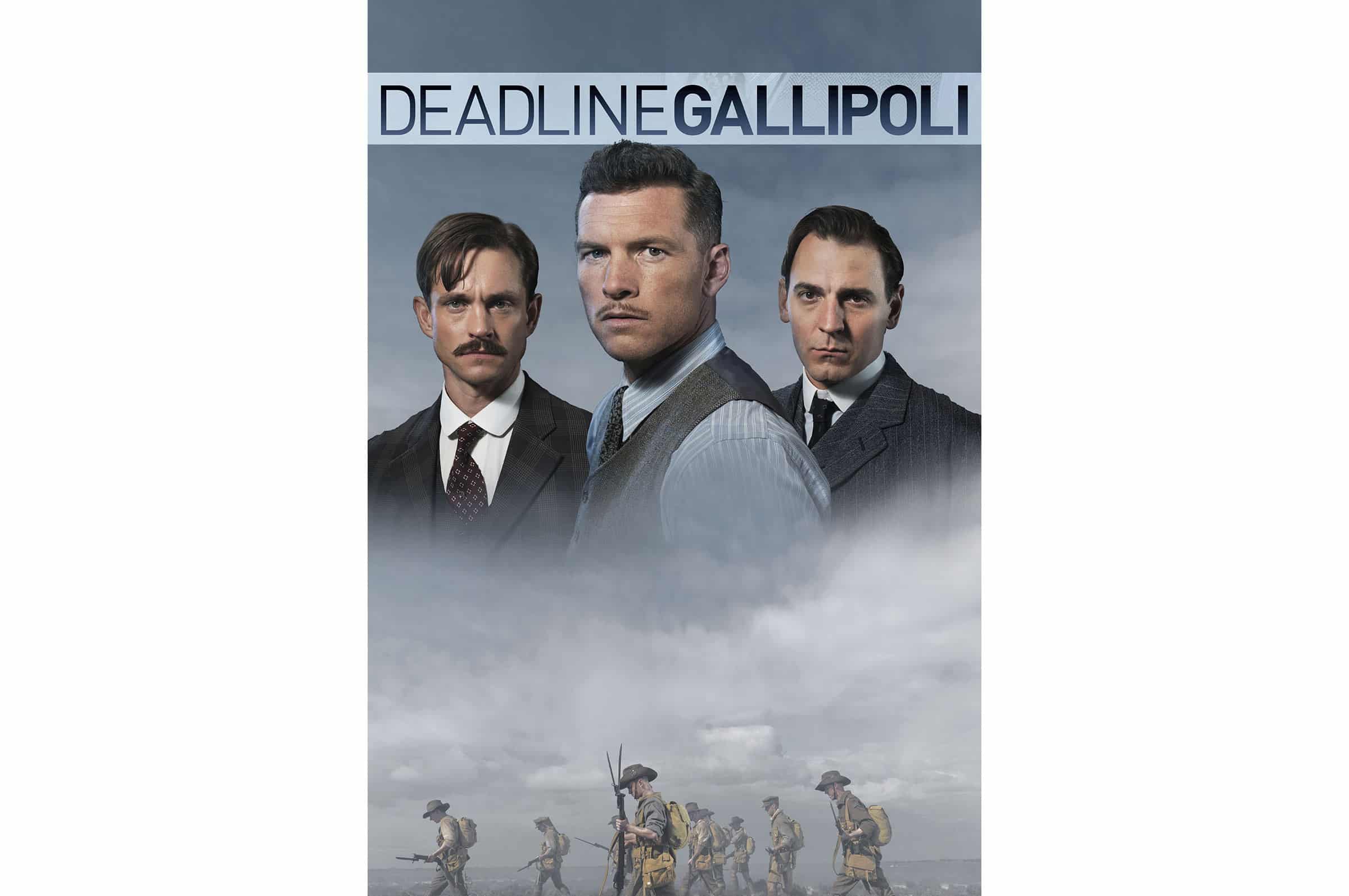
Shot for SBS around Deadline Gallipoli, inspired by the photography of war correspondent Ellis Ashmead-Bartlett. One of the key images recreated his famous photograph of soldiers charging across the battlefield.
We photographed the campaign in remote South Australia using large-scale practical effects, massive smoke machines and large film lights to create something that felt cinematic, timeless and physically real. I loved the scale of the production and the atmosphere we were able to build in camera.
The series featured actors including Sam Worthington, alongside the wider cast and extras from the production, photographed both in constructed battlefield scenes and more stripped-back portraits.
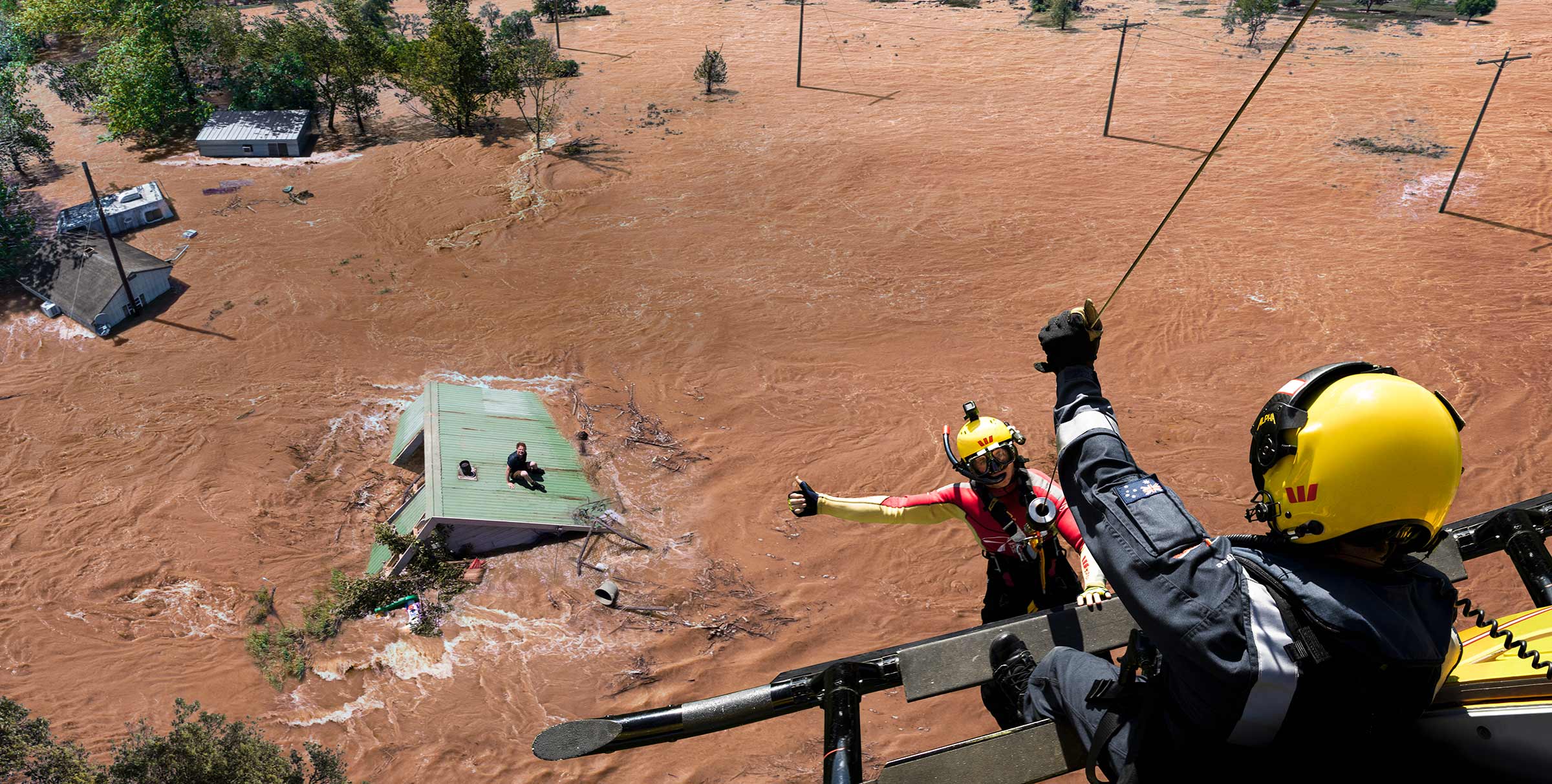
This epic image really says everything about the scale and intensity of natural disasters in Australia.
Photographed for Westpac Rescue, it captures a real moment with a kind of scale that almost feels cinematic. I always loved how timeless the image feels. The tiny human figures against this vast flooded landscape gives it real weight and presence. There’s something about scale that stays with people and makes the image memorable.
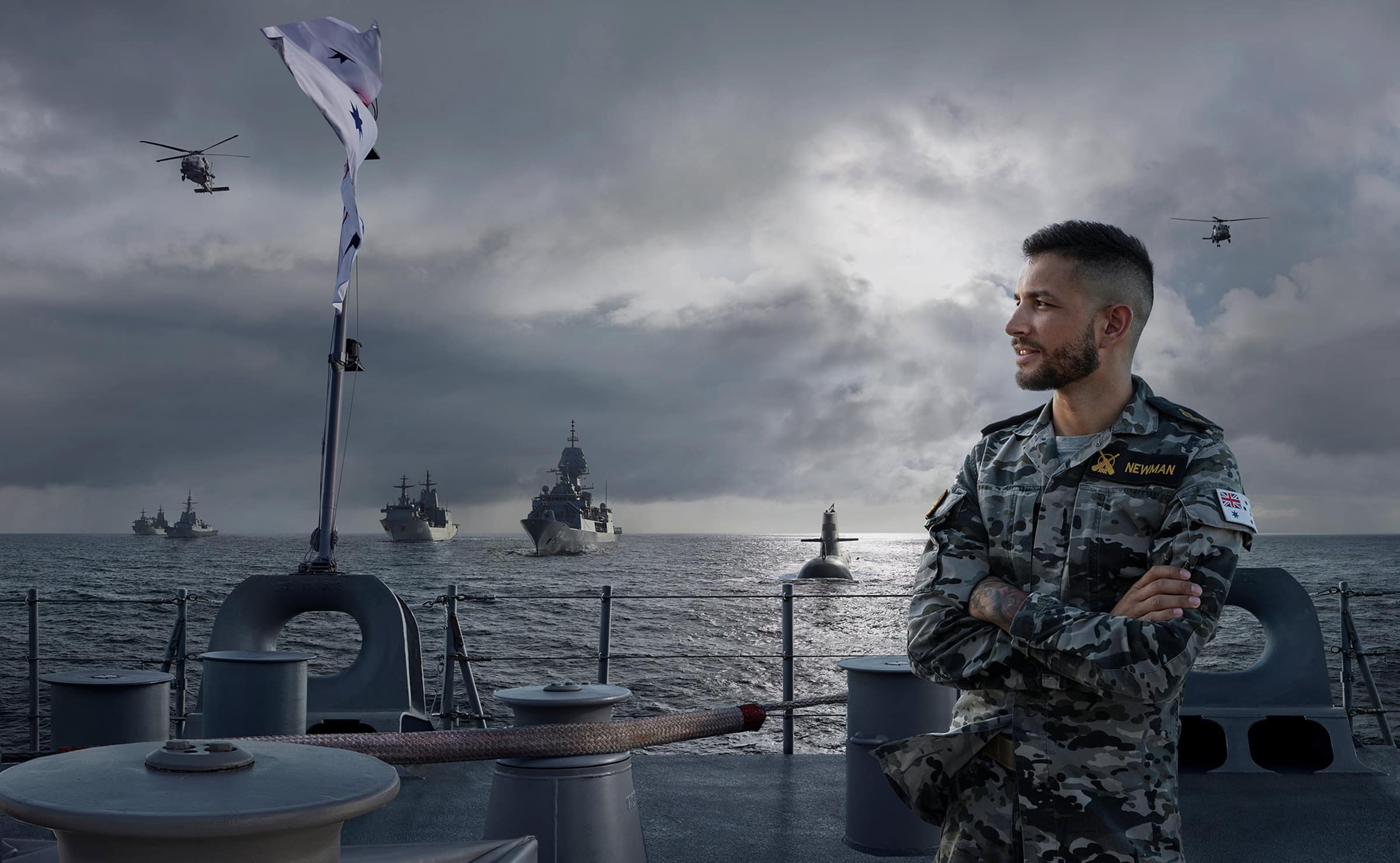
Photographed for the Australian Navy, this image is remarkably calm and yet tells a very big story. One person, one extraordinary environment.
I love that it never feels overplayed. The scale of the sea, the ships and the sky does all the work. It tells a big story, but it does it without shouting loudly.
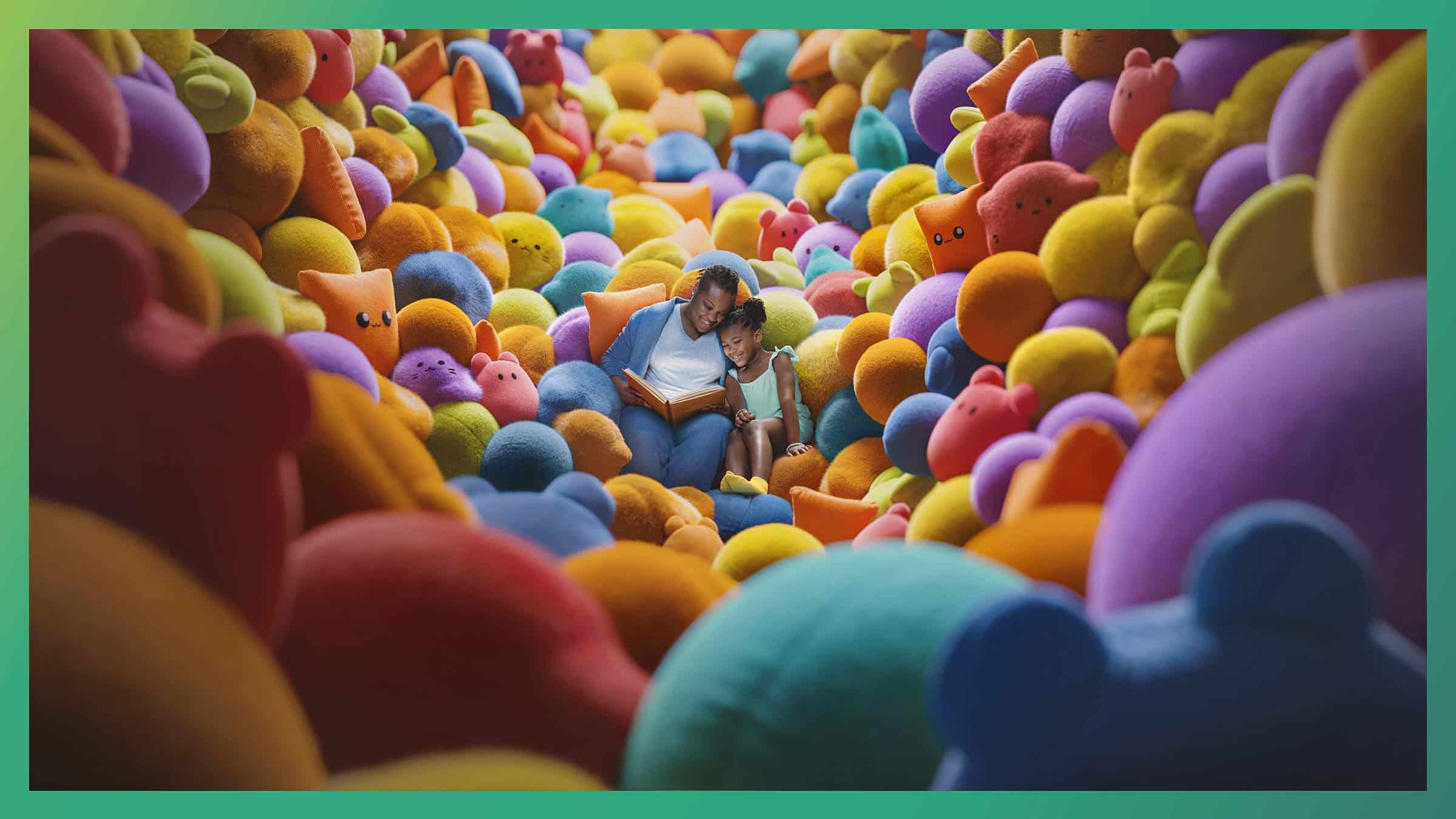
Photographed in New York for Dupixent, this campaign was built around the overwhelming physical and emotional world of severe eczema and particularly how children experience it.
I always loved the sheer scale and immersion of the image. The soft toy landscape almost feels endless and cinematic, creating a world that completely surrounds the child. It’s playful and warm at first glance, but there’s also something slightly overwhelming about it, which was exactly the point.
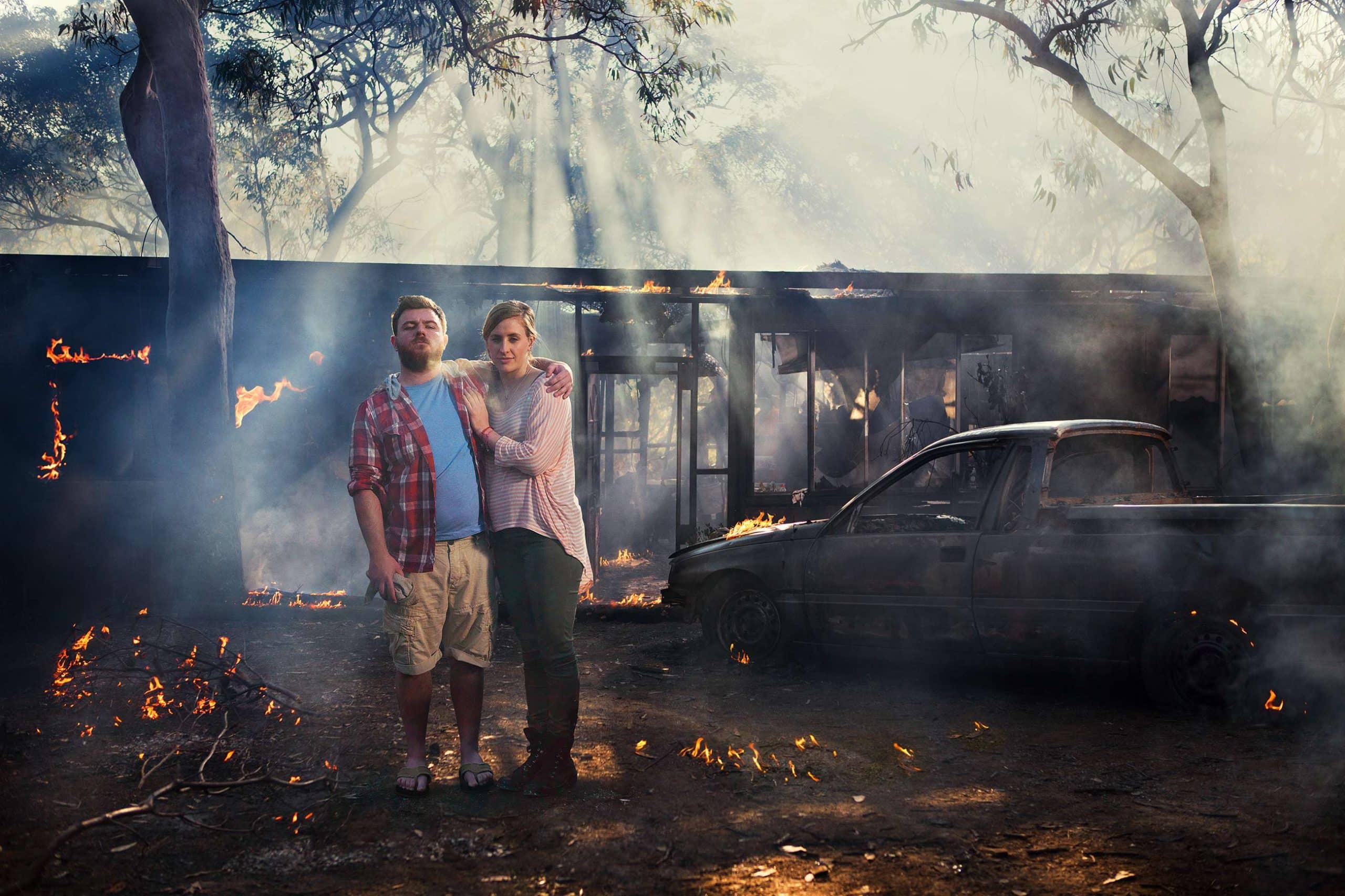
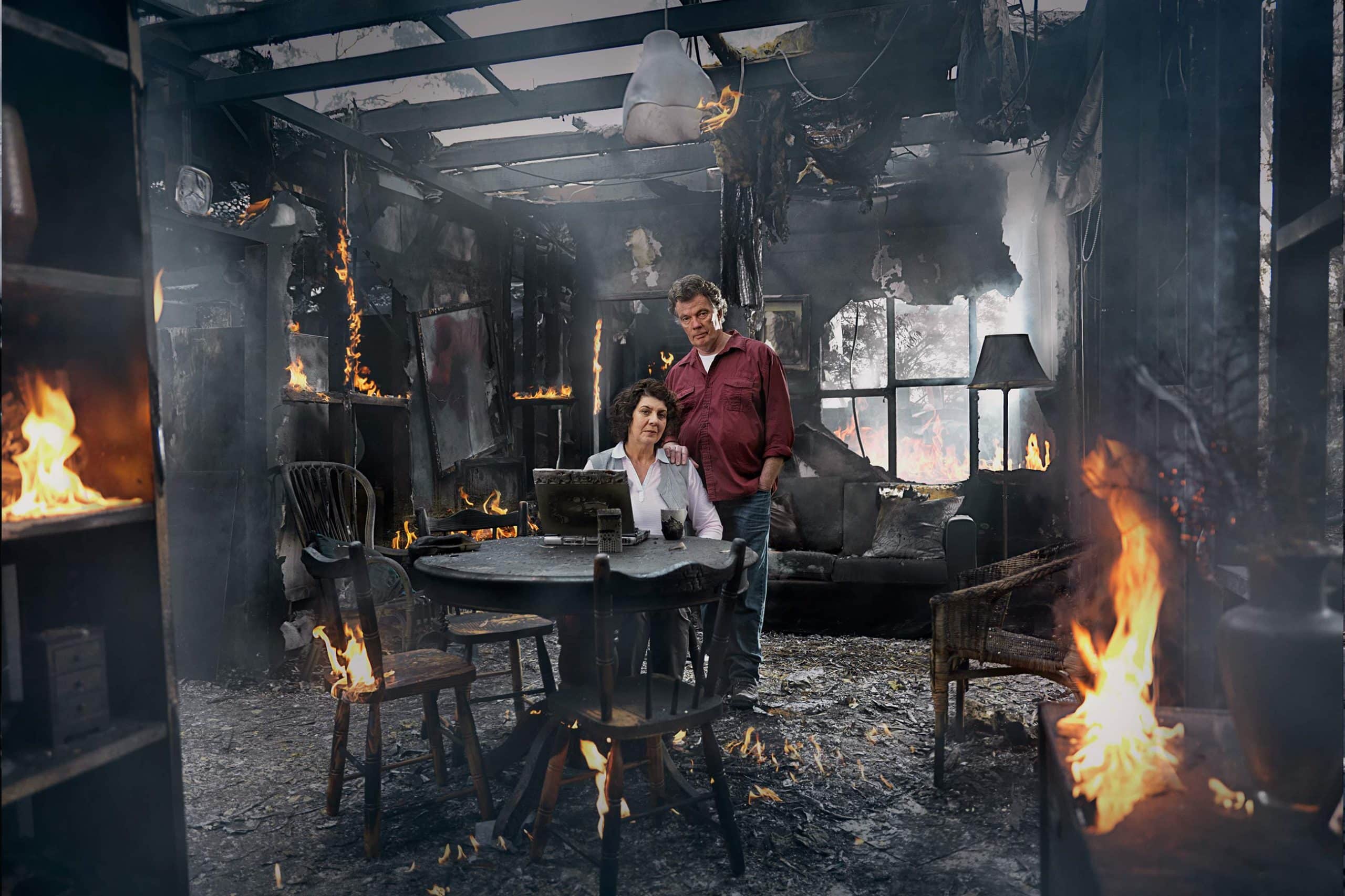
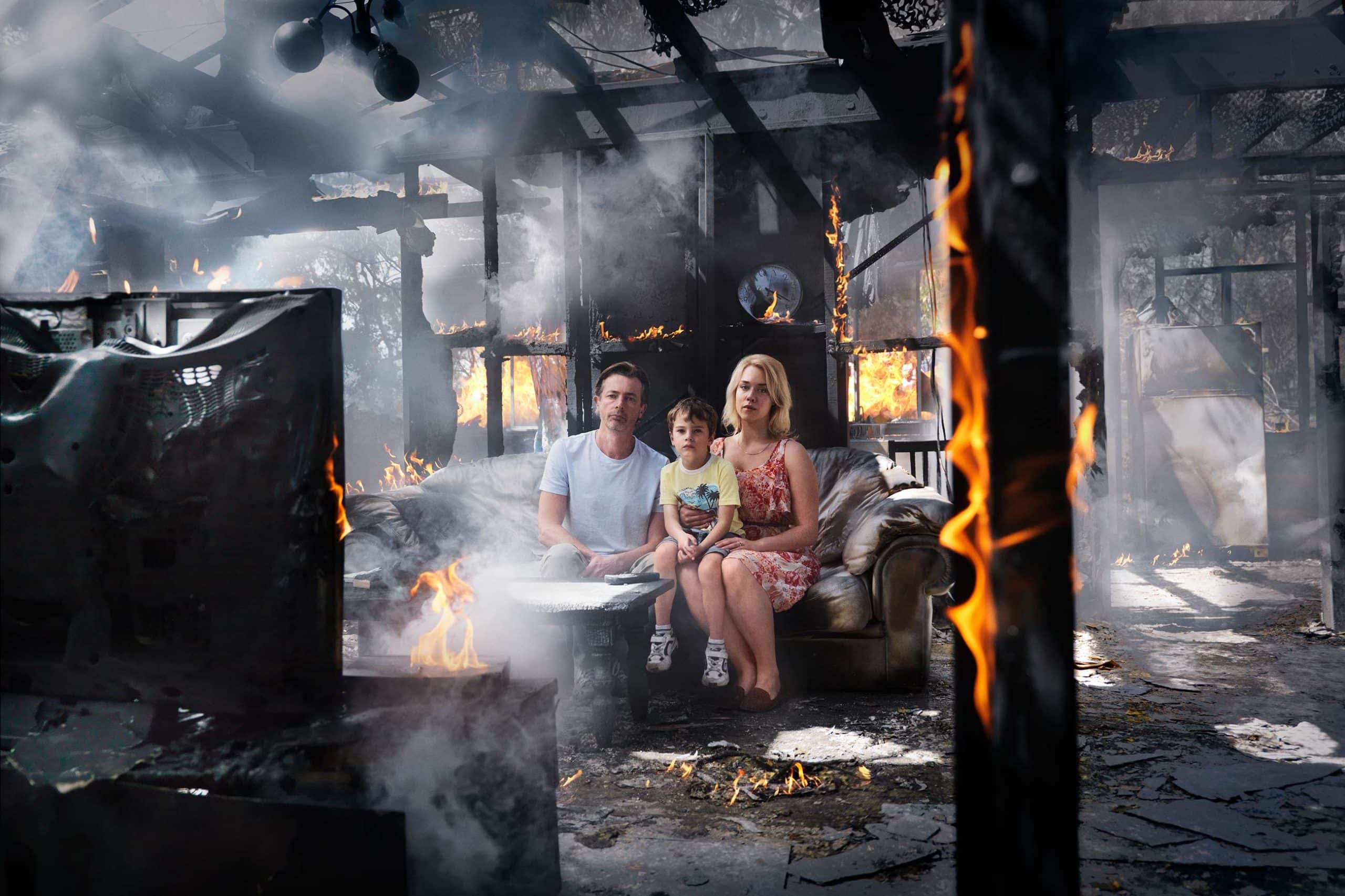
This series for the New South Wales Rural Fire Service focused on the reality behind the headlines and the devastating sense of loss that bushfires leave behind.
Everything was built practically and photographed in camera, using controlled fire, smoke and partially constructed sets to create these burnt interiors and landscapes. I always loved the contrast between the chaos of the environment and the stillness of the people inside it.
The images feel cinematic, epic and emotionally heavy, but the performances were deliberately restrained and real. That balance is what gave the campaign its weight and memorability.
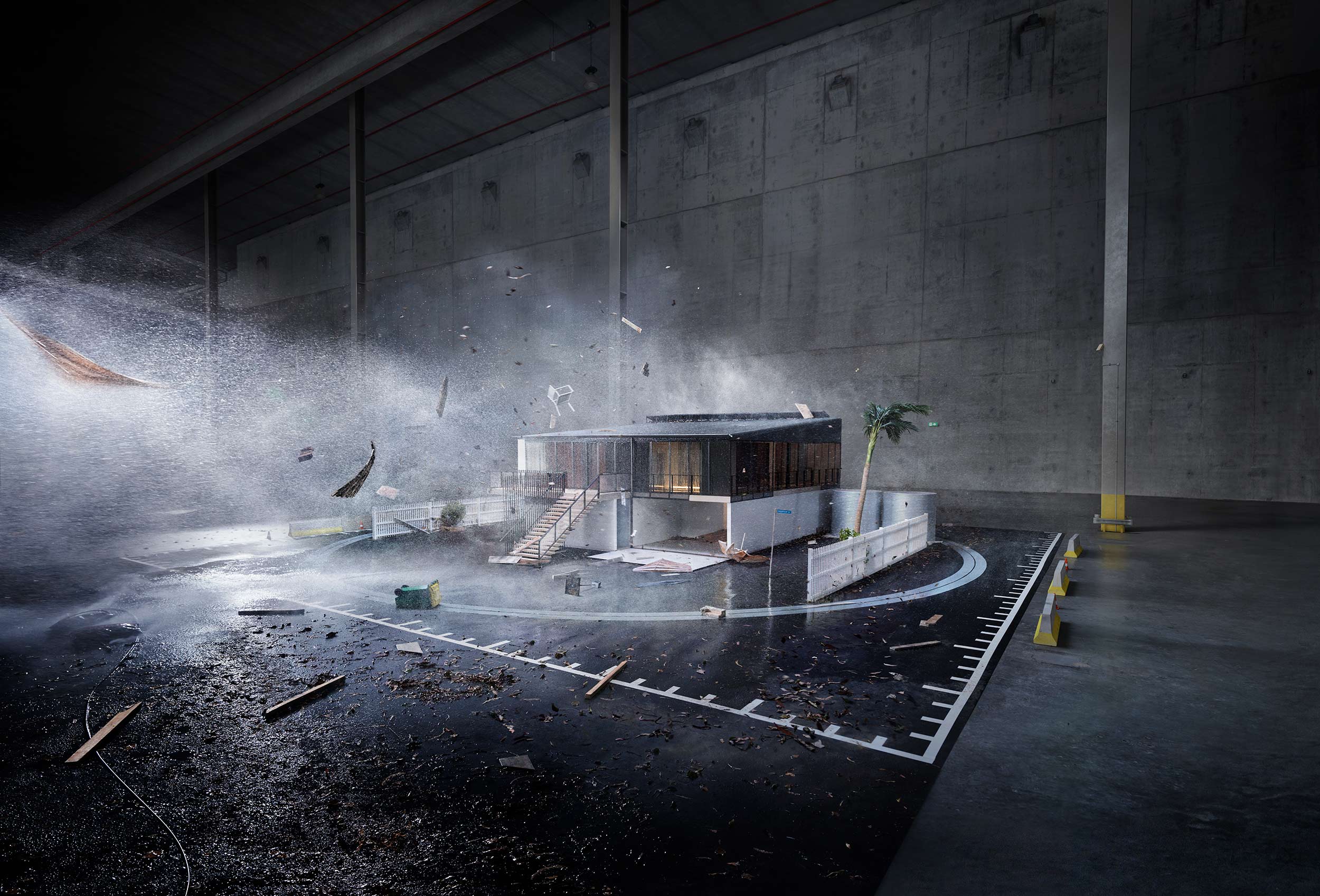
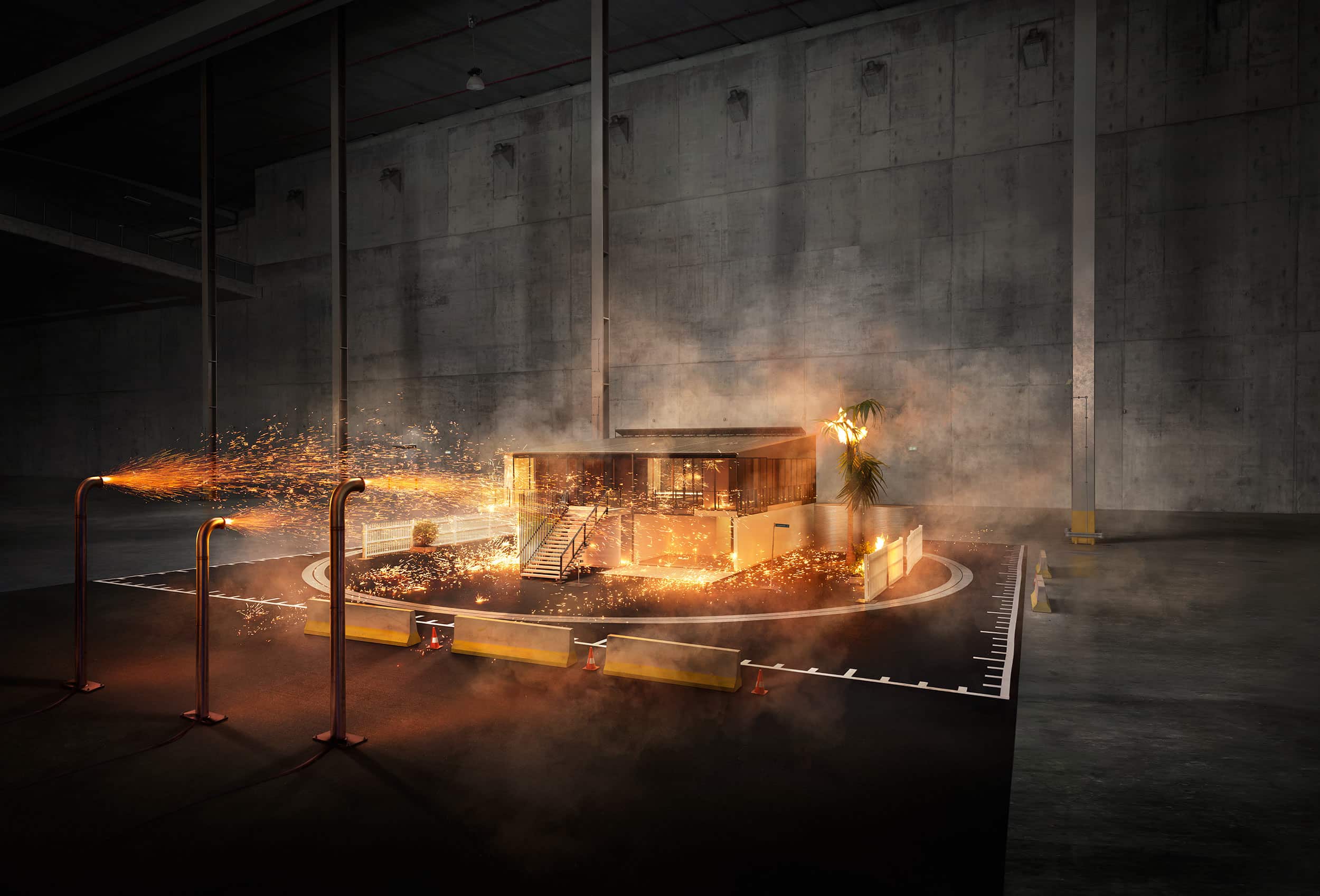
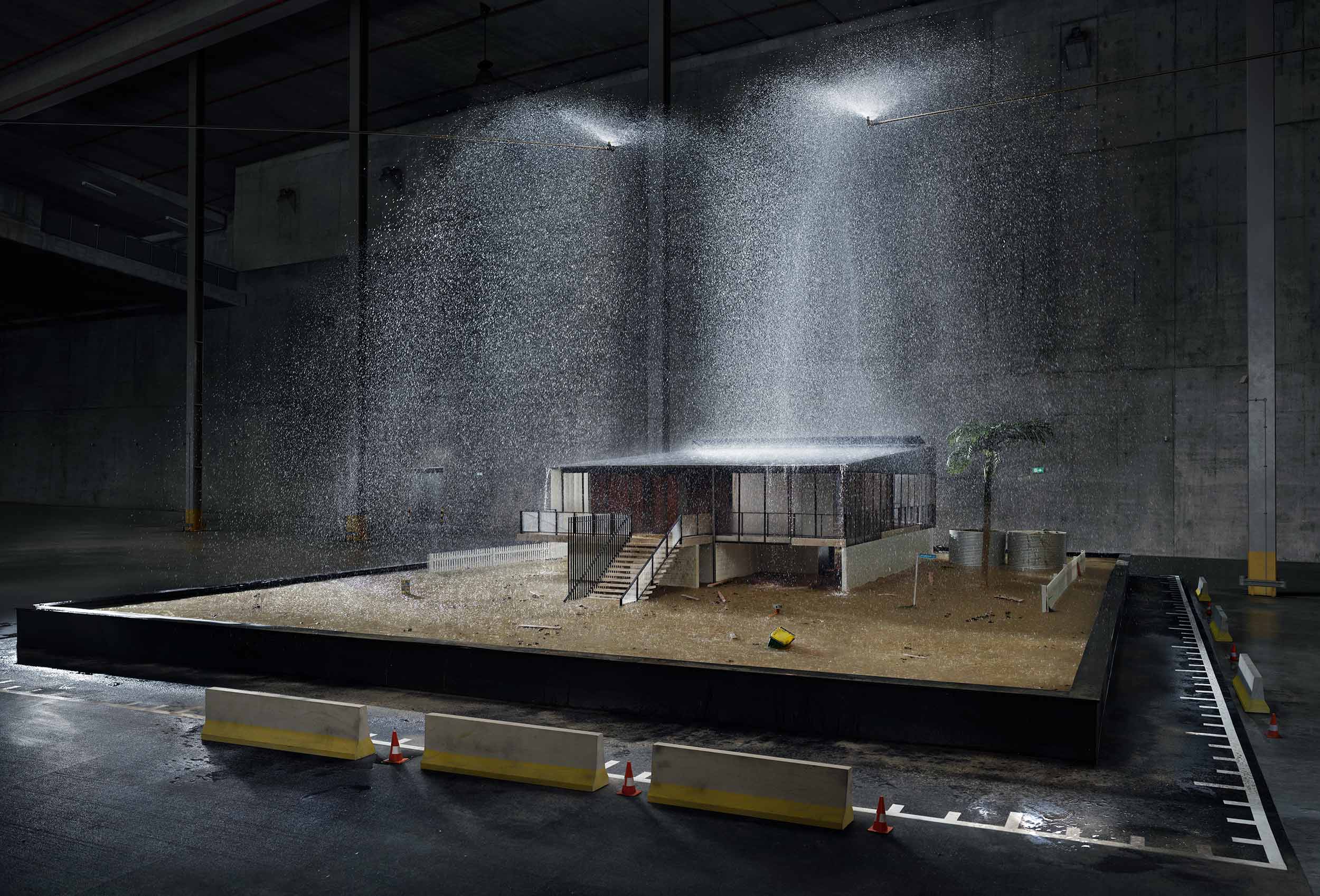
This Suncorp campaign was built around a brilliant real-world idea. Inspired by full-scale disaster testing facilities in the US, the concept explored what a truly resilient Australian home could look like against floods, cyclones and fire. The original plan was to photograph the real testing facility, but instead we built detailed miniature sets and photographed them practically, combining them with large-scale environments and effects work to create the illusion of full-sized houses under extreme conditions.
I always loved the simplicity of the idea. One house, pushed to its limits, photographed almost like a scientific experiment.
This is a custom heading element.

A stills campaign shot around Australia
This is a custom heading element.
This was a fantastic project where one frame carries a really big story. There’s a real strength in something that doesn’t move, doesn’t flash, just sits there and holds your attention.
I’ve been fortunate to work with the Australian Navy and Army a few times over the years, but this one really stood out.
The job ran alongside a TVC that was more lifestyle driven. Within that, we carved out a stills campaign for outdoor that needed to be far more controlled and precise.
We moved across the country to make it happen. Perth, Townsville, Sydney Naval Base. Capturing elements piece by piece, ships, aircraft, helicopter-to-helicopter, different locations, different times, all brought together with a lot of precision.
The aim was to create images that feel composed but still have impact. Something that reads clearly and holds presence.
On every job, I want the work to perform, that’s a given. But there’s also a personal side to it. Call it job satisfaction. And this one had a lot of that.
Hovering in a helicopter, about 12 metres above the sea, watching a submarine disappear beneath you, that stays with you.
So yes, job satisfaction matters. You could say it doesn’t affect the outcome, but I don’t think that’s true. Pride in the work shows, and that only really happens when you’re there, actually shooting it for real.


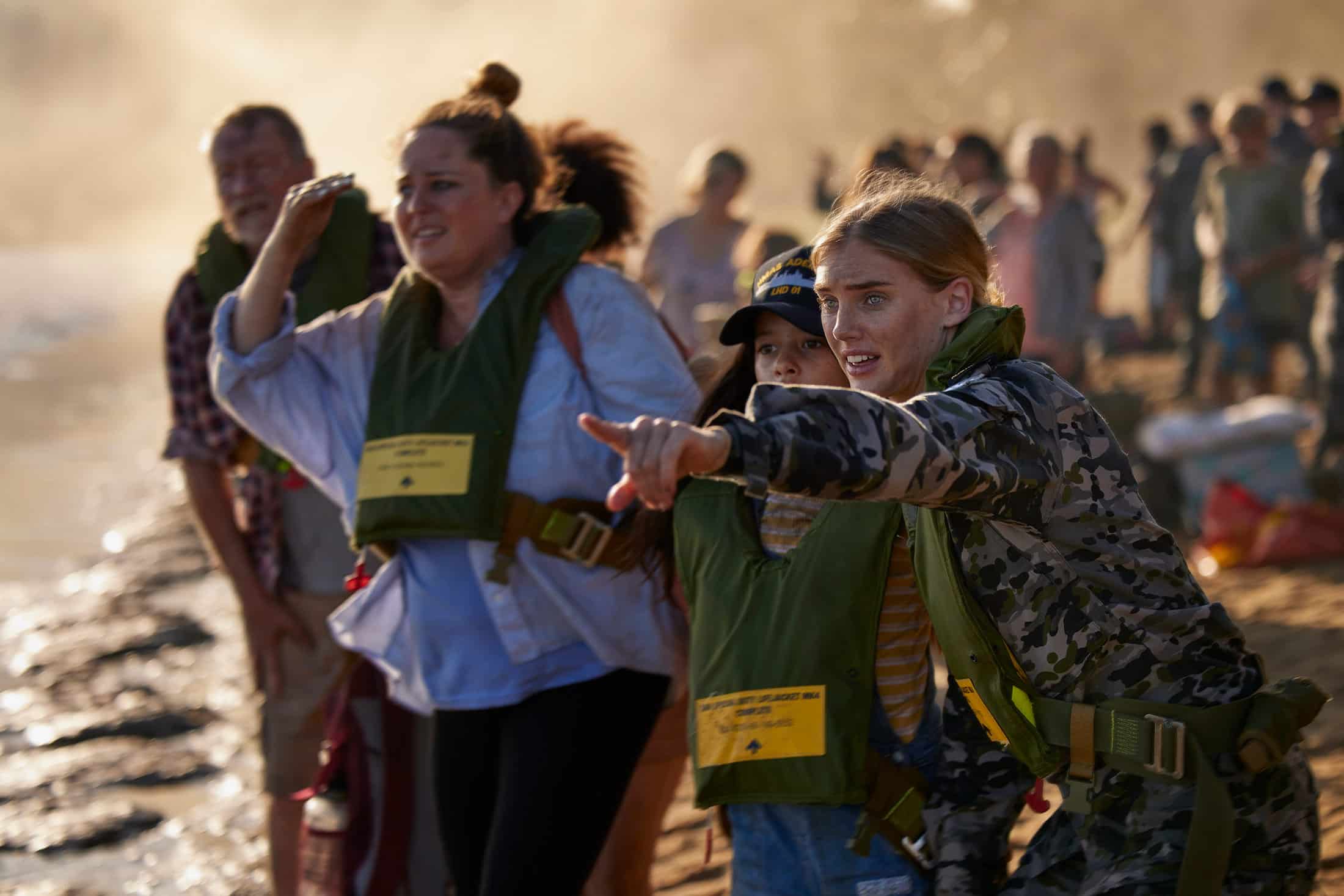


For this project, we split it into two worlds. One side was highly constructed, high-end outdoor imagery. The other lived fully in the lifestyle space, real moments, more observational. Two approaches, but designed to sit together.
For this project, we split it into two worlds. One side was highly constructed, high-end outdoor imagery. The other lived fully in the lifestyle space, real moments, more observational. Two approaches, but designed to sit together.
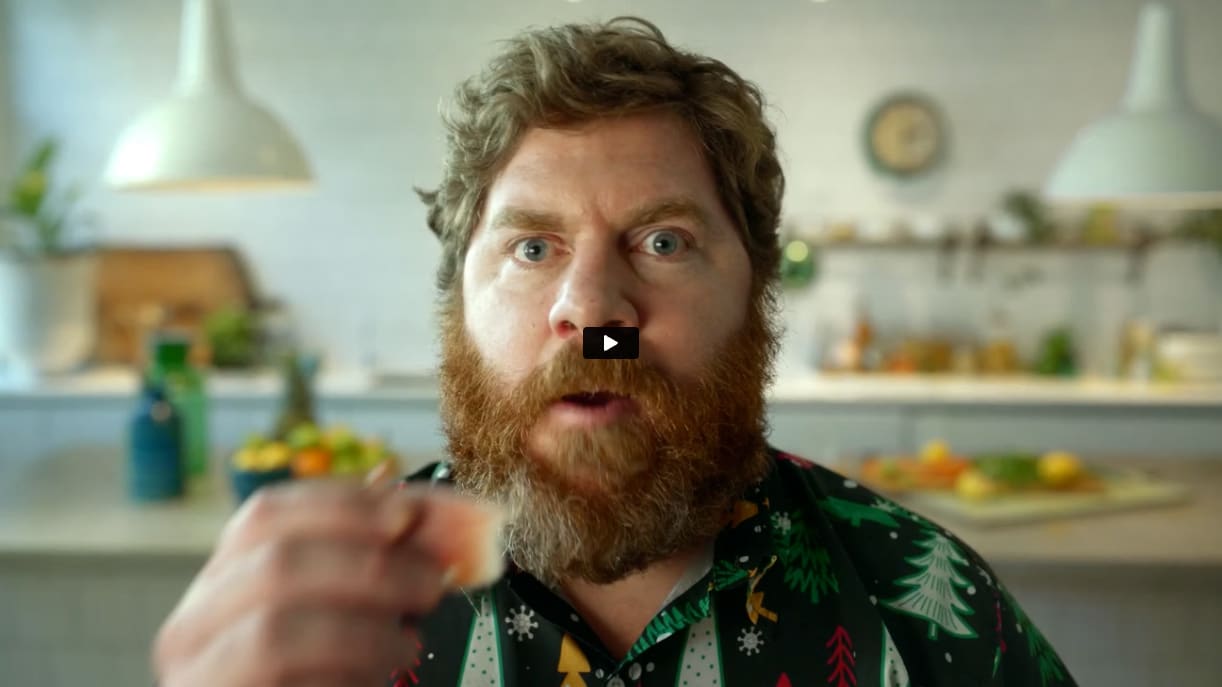
Working across multiple film and stills campaigns sharpens that understanding and pushes the work further
This is a custom heading element.
Over a period of time, I had the chance to work across a range of campaigns for Woolworths, including Christmas and Easter TVCs, alongside a broad set of stills. That continuity gave the work real depth. You start to understand not just the visual language, but how the brand speaks, how the creative thinks, and where the nuances sit.
The projects moved fluidly between different territories. Observational, human moments. Food that needed to feel immediate and real. And the build-out of stills libraries designed to carry consistency across a wide range of touchpoints. The aim was always the same. Keep it warm, keep it open, and keep it human. Avoid anything that feels overworked or overly constructed.
It’s a space where performance really matters. The difference between something that feels staged and something that feels lived-in is everything. At the same time, the images need to hold structure and clarity, especially when they scale across large campaigns.
We also built out a large stills library in the same tone, designed to hold consistency across everything.
I’ve always liked working across both film and stills on a project. It keeps the thinking aligned and the output tighter.

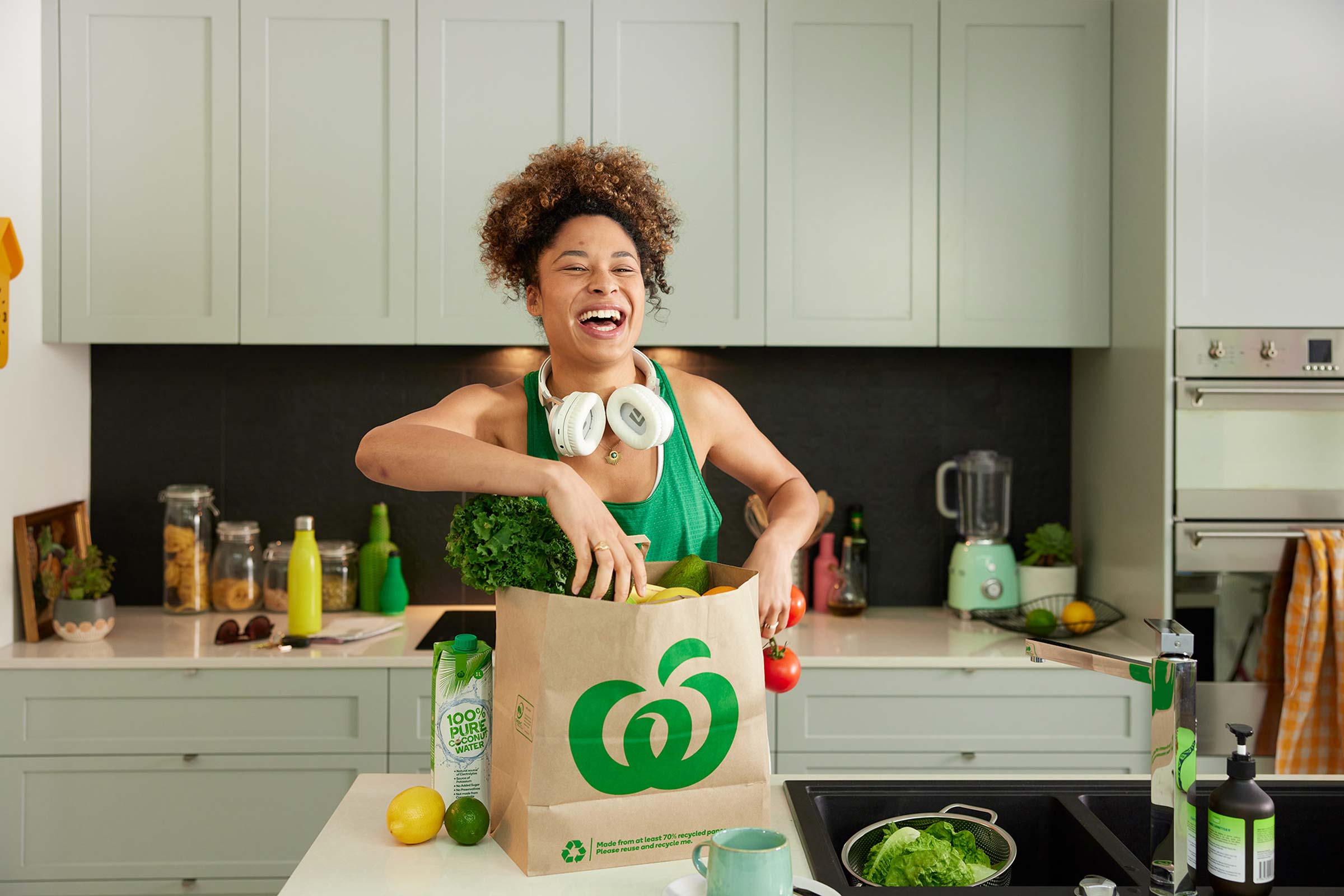


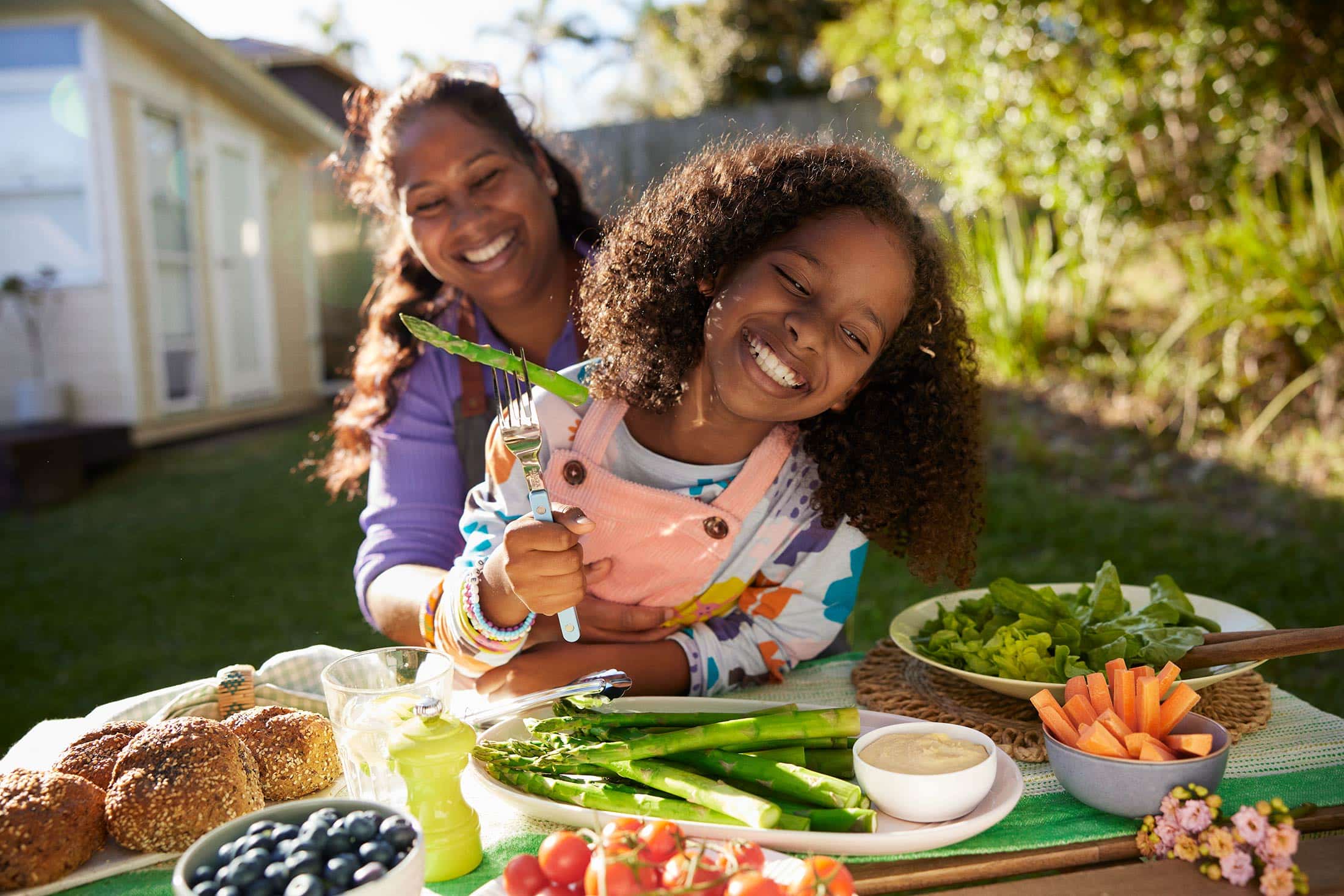

Working across multiple projects builds real understanding, and that benefits both sides. It’s not about loyalty for its own sake. Better work comes from that familiarity.
An integrated piece built between real and AI
This is a custom heading element.
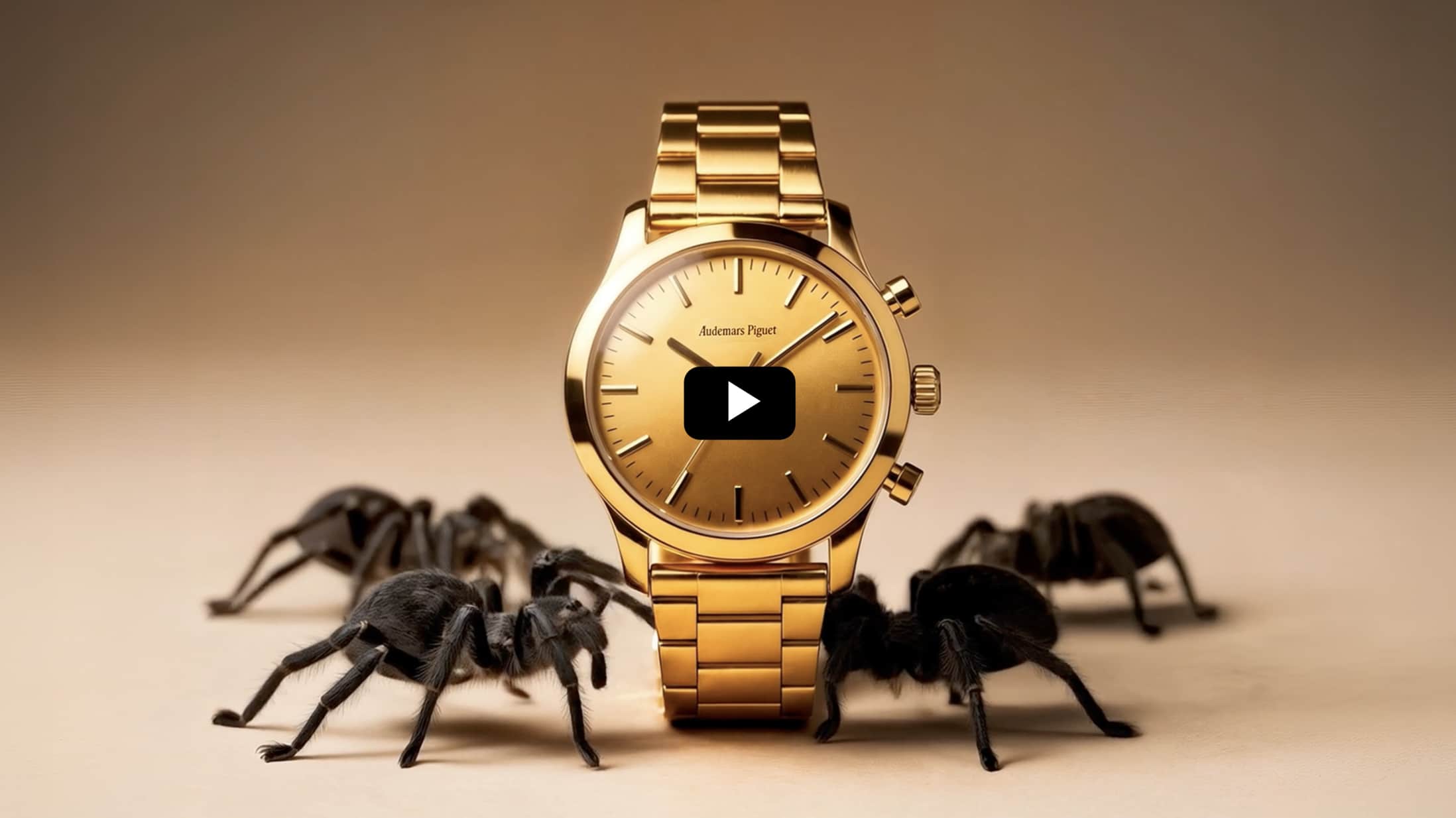
An integrated piece built between real and AI.
The concept was developed in AI, shaped and directed in-house, then brought into the real world. Once it held, the watch came in and was photographed. Real light, real presence, treated with the precision it deserves.
The approach is simple. Something classic, something striking, without overcomplicating it.
AI was developed as part of the process, used where it adds value, then pulled back. Everything aligned into one language so it sits naturally with the photography.
One image. Clear, considered, with a sense of stillness and motion at the same time.
AI where it helps, photography where it matters.
AI where it helps, photography where it matters.